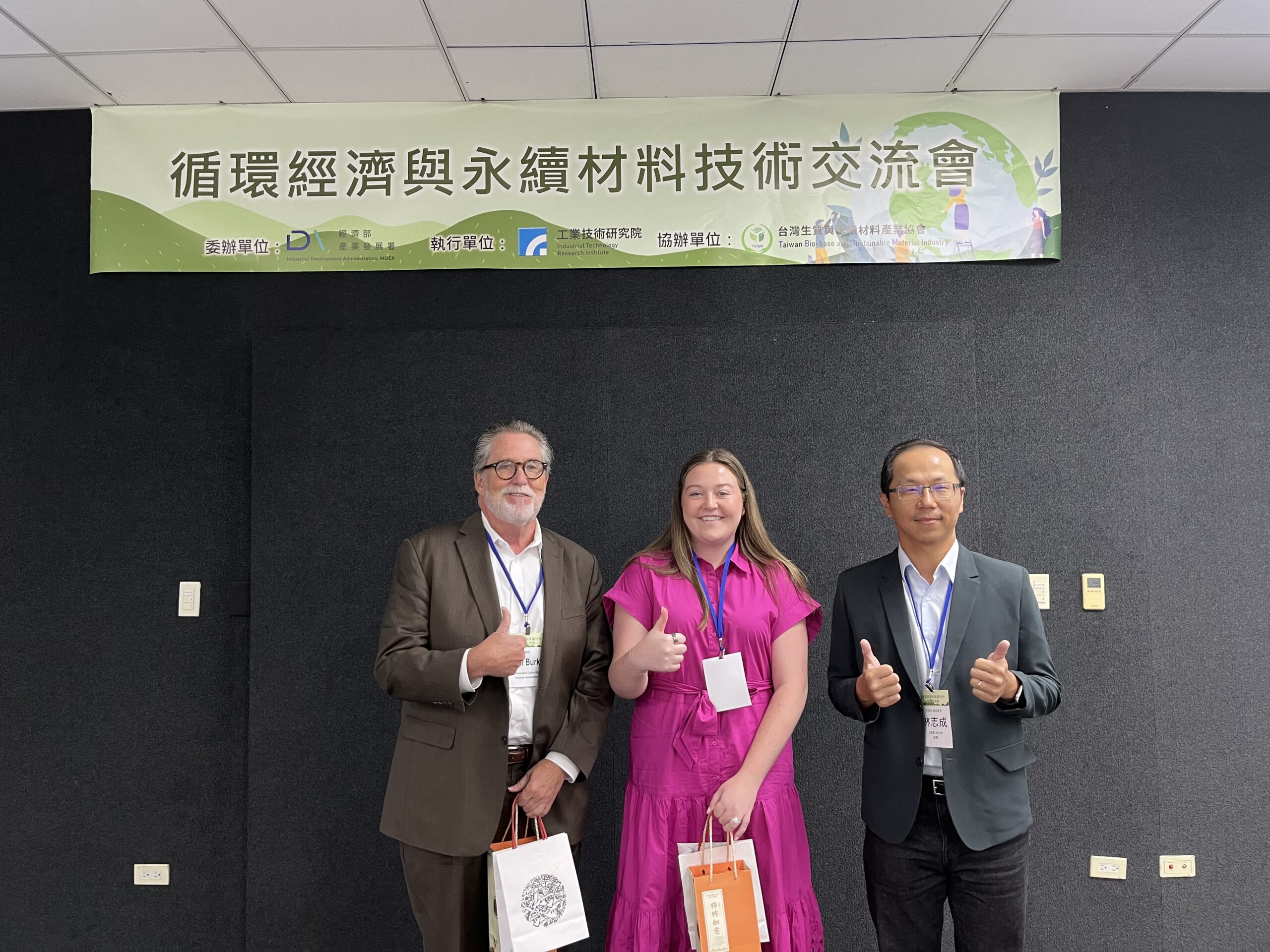
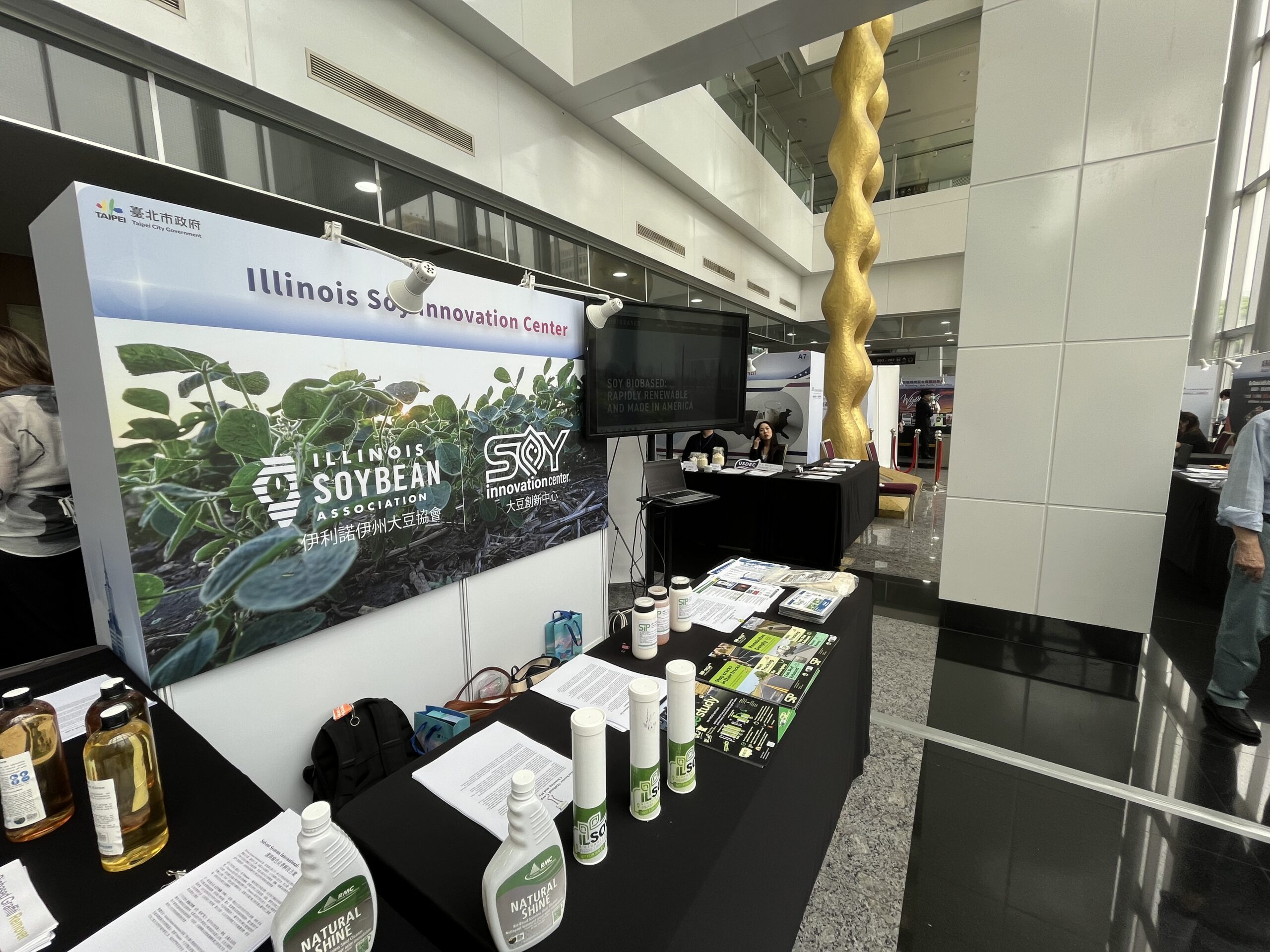
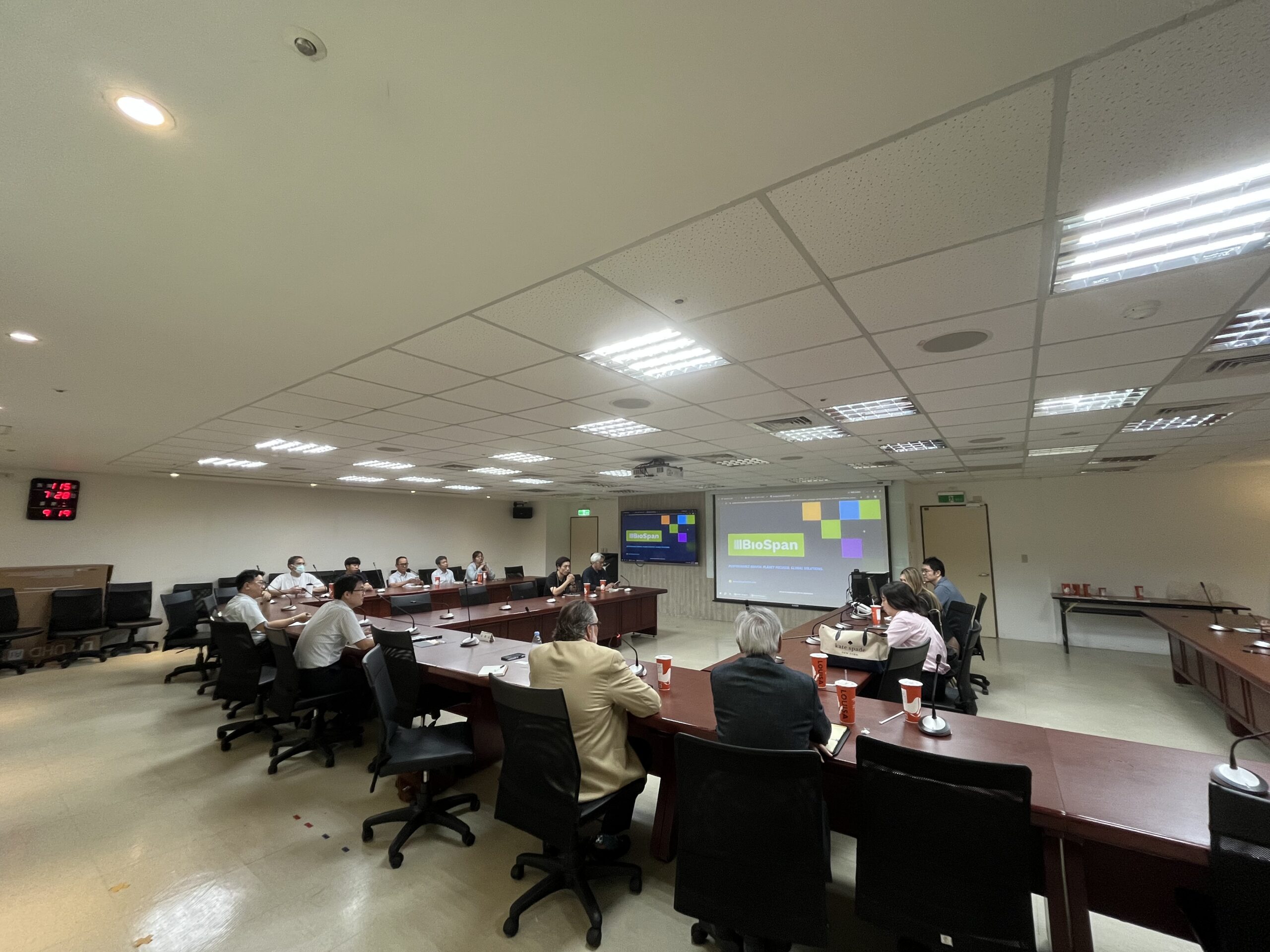
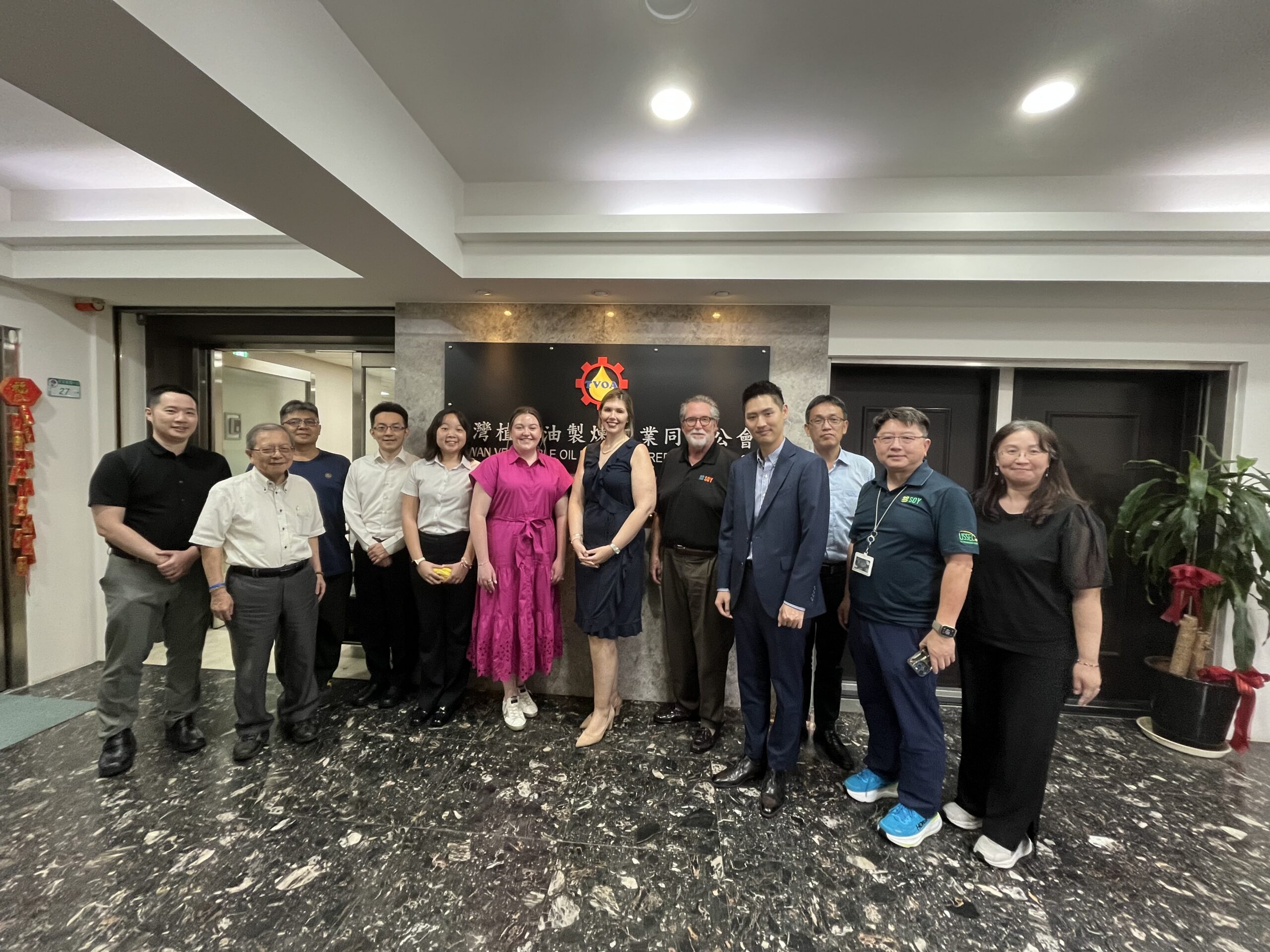
 At the end of July, I had the opportunity to travel to Taiwan as part of a U.S. soy industry delegation to explore opportunities for soy-based products and strengthen relationships with government agencies, industry leaders and potential partners. Throughout the week, our discussion reinforced one clear message: Taiwan is not only committed to achieving carbon neutrality by 2050, but it is actively creating the policies needed to make that goal a reality.
Over the course of the trip, we met with several influential organizations, including Taiwan's Environmental Protection Administration – First Office of Resource Circulation, the American Institute in Taiwan's Agriculture Section, the Chinese Society of Pavement Engineering, the Taipei City Public Works Department, the Taiwan Vegetable Oil Producers Association (TVOA) and attendees at the U.S. Taipei City Products Showcase. These meetings provided valuable opportunities to present U.S. soy-based technologies, discuss commercial applications, and explore future collaboration between the U.S. soy industry, Taiwanese government and industry leaders.
One of the biggest takeaways from our conversations was Taiwan's strong policy-driven commitment to sustainability. Unlike many other countries that have announced carbon neutrality goals without implementing significant policy changes, Taiwan is backing its 2050 carbon-neutral commitment with meaningful legislation and incentives.
Two initiatives stood out throughout our discussions. First, Taiwan is strengthening regulations around disposable products and waste reduction as part of a broader effort to decrease environmental impacts from single-use materials. Second, the government is creating incentives that encourage businesses to adopt greener products and technologies, making sustainable solutions more economically attractive. These policies demonstrate that Taiwan is focused not only on setting ambitious environmental goals but also on accelerating innovation and market adoption.
Another consistent theme was the country's focus on plastics, particularly reducing reliance on single-use plastics. Government agencies and industry representatives alike expressed strong interest in identifying sustainable alternatives that can perform on a commercial scale. This presents an exciting opportunity for soy-based materials that can help replace petroleum-based products while supporting Taiwan's environmental objectives.
Taiwan was a strategic market for this mission because of its commitment to becoming carbon neutral by 2050. Throughout the week, it became clear that this commitment extends beyond long-term aspirations. Lawmakers, government agencies and industry organizations are actively working together through new regulations, incentives and collaboration to move the country toward a more sustainable future.
Compared to other international markets pursuing similar carbon-neutral goals, Taiwan stands apart. While countries such as Korea have also established ambitious sustainability targets, we observed that Taiwan has taken a more proactive approach by implementing policies that directly encourage adoption of green products and discourage less sustainable alternatives. That level of governmental commitment creates a favorable environment for innovation and commercialization.
Overall, the trip reinforced the importance of investing soybean checkoff dollars in international market development and education. While Taiwan has long recognized soy as a source of food and feed, a key objective of the trip was to expand that perspective by demonstrating soy's value as a renewable industrial resource. By engaging with government officials, manufacturers and industry leaders, we highlighted how soy-based technologies can support infrastructure, manufacturing, lubricants, adhesives, cleaners and other sustainable solutions that align with Taiwan's carbon neutrality goals. Broadening the understanding of soy at the enterprise level helps create new demand for U.S. soybeans, strengthens long-term export opportunities and positions U.S. soy as a key component of the global bioeconomy.