

David Kubik has served as the Biofuels & Trade Policy Manager at Illinois Soybean Association (ISA) since 2021.
During his tenure, Kubik has spearheaded the B20 initiative, which led to the passage of legislation extending the biodiesel sales tax exemption for blends over 10% and increasing those blends to over 20% starting in April. This will increase Illinois’ biodiesel market to an estimated 300 million gallons a year. On the federal side, Kubik was one of the first biofuels policy leaders to fight back against Indirect Land Use Change (ILUC) and Carbon Intensity (CI) penalties in the 45Z tax credit—leading to changes that promote soy feedstocks in the 2025 reconciliation bill.
In this Q&A, Kubik discussed the complex state of biofuels on the state and federal level with Illinois Field & Bean’s Lead Writer Ashley Rice Haddon.
CARBON INTENSITY SCORES
Field & Bean:What are CI scores?
Kubik: CI scores measure the total amount of greenhouse gas (GHG) emissions associated with producing and using fuel. Rather than focusing only on tailpipe emissions, CI scores account for the full lifecycle of fuel, including growing soybeans that pull carbon from the atmosphere. The lower the CI score, the smaller the overall total lifecycle GHG emissions.
Field & Bean: Are CI scores beneficial to soybean-based-biofuels?
Kubik: Basing incentives on CI scores makes the biofuels industry much more complicated, and unfortunately, soybean oil has been devalued due to ILUC penalties that appear to give soy a higher CI score.
ILUC significantly increases the CI score assigned to soy-based biofuels. The theory is that if more soy oil is diverted to biodiesel production, additional cropland somewhere in the world might be brought into production to replace displaced food or feed supply.
In contrast, fuels made from “waste” feedstocks such as used cooking oil or animal fats are generally assigned little or no ILUC penalty under lifecycle models. These dynamic disadvantages soy-based biofuels in carbon policies. This drives incentives toward imports from China, Brazil and Southeast Asia. Importantly, ILUC has encouraged passing imported virgin soy and palm off as used cooking oil.
LOW CARBON FUEL STANDARD
Field & Bean: What is a Low Carbon Fuel Standard (LCFS)?
Kubik: It is a fuel policy that requires the CI of transportation fuels to decline over time. Instead of mandating a specific fuel (such as ethanol or biodiesel), it sets a carbon reduction target, and fuel producers must meet it.
Field & Bean: Is an LCFS good for farmers?
Kubik: An LCFS can be good for farmers when it expands overall biofuels demand and rewards crop-based fuels. However, the enacted California-style LCFS is focused on electrification, discounts farmers and increases ILUC penalties.
At this point in time, no enacted LCFS truly rewards farmers, their feedstocks, nor their sustainable ag practices.
IMPORTED VS. DOMESTIC FEEDSTOCKS
Field & Bean: Why are there concerns about imported oil?
Kubik: Used cooking oil imports from China to markets such as the U.S. have grown dramatically — from under 200 million pounds in 2020 to over 3 billion pounds in 2023, with over half from China. This spike has raised suspicion because verification systems often rely more on paper audits than physical testing, making it vulnerable to fraud.
Field & Bean: Why are imports being incentivized?
Kubik: California’s CI scores for soybean oil–based fuels tend to be higher primarily because of how the state models ILUC and upstream agricultural emissions under the LCFS. California imposes a large ILUC penalty on soybean oil, which drives it out of the marketplace.
FEDERAL POLICY WINS
Field & Bean: What recent 45Z federal tax policy wins will benefit biofuels?
Kubik: Recent wins include disqualifying from tax credits foreign waste oils, such as imported used cooking oil, which keeps demand for U.S. soy higher. In addition, ILUC penalties on agricultural feedstocks were removed.
Field & Bean: Looking ahead, what do you anticipate for biodiesel and Illinois farmers?
Kubik: The last couple of years have brought dramatic uncertainty to the soy-biodiesel space. However, once you layer new record Renewable Fuel Standard volumes, a domestic-focused 45Z tax credit and our State’s B20 incentive, Illinois farmers are well-suited going into the future. ISA believes that all those policies will fall into place this spring and bring some certainty back to domestic soy biofuel markets, and promoting market expansion.
Recent Articles
This issue of Illinois Field & Bean spotlights the On-Farm Trial Network, highlighting how on-farm research drives real-world results.
By
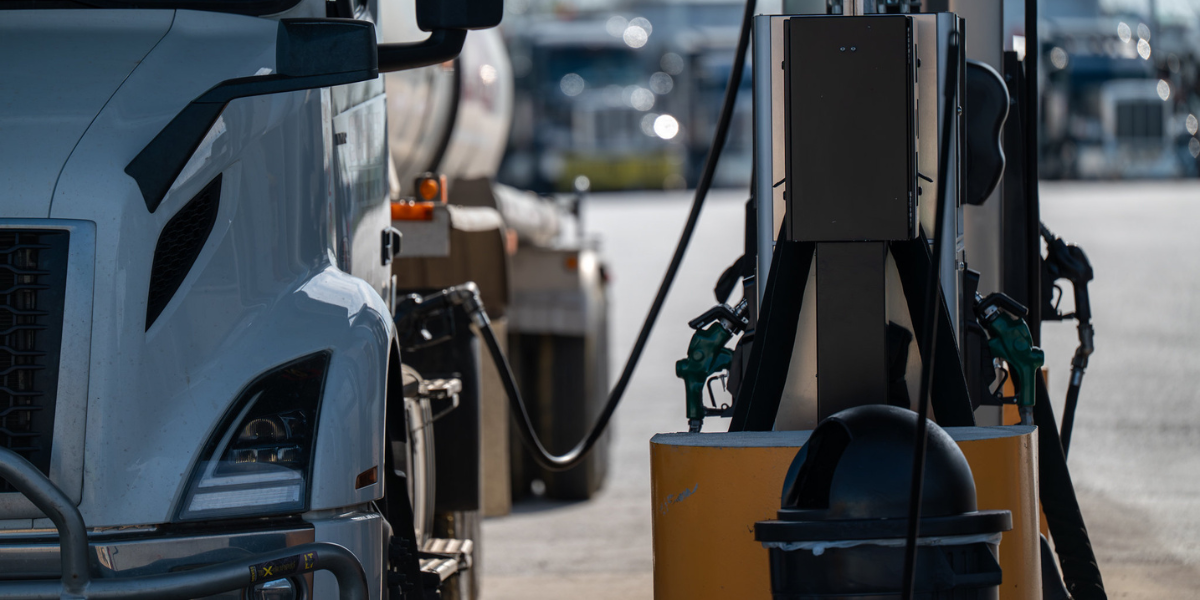
On April 1, the Illinois B20 Legislation moved into full effect, meaning biodiesel blend requirements increased from B17 to B20.
By Rob Shaffer, ISA Government Relations Committee Chairman