
For many farm families, succession planning is often viewed through a financial or legal lens — estate plans, ownership transitions and tax strategies. But for fifth-generation Illinois farmer Rob Sharkey, the most critical piece of the puzzle isn’t found in paperwork. It’s found in conversation.
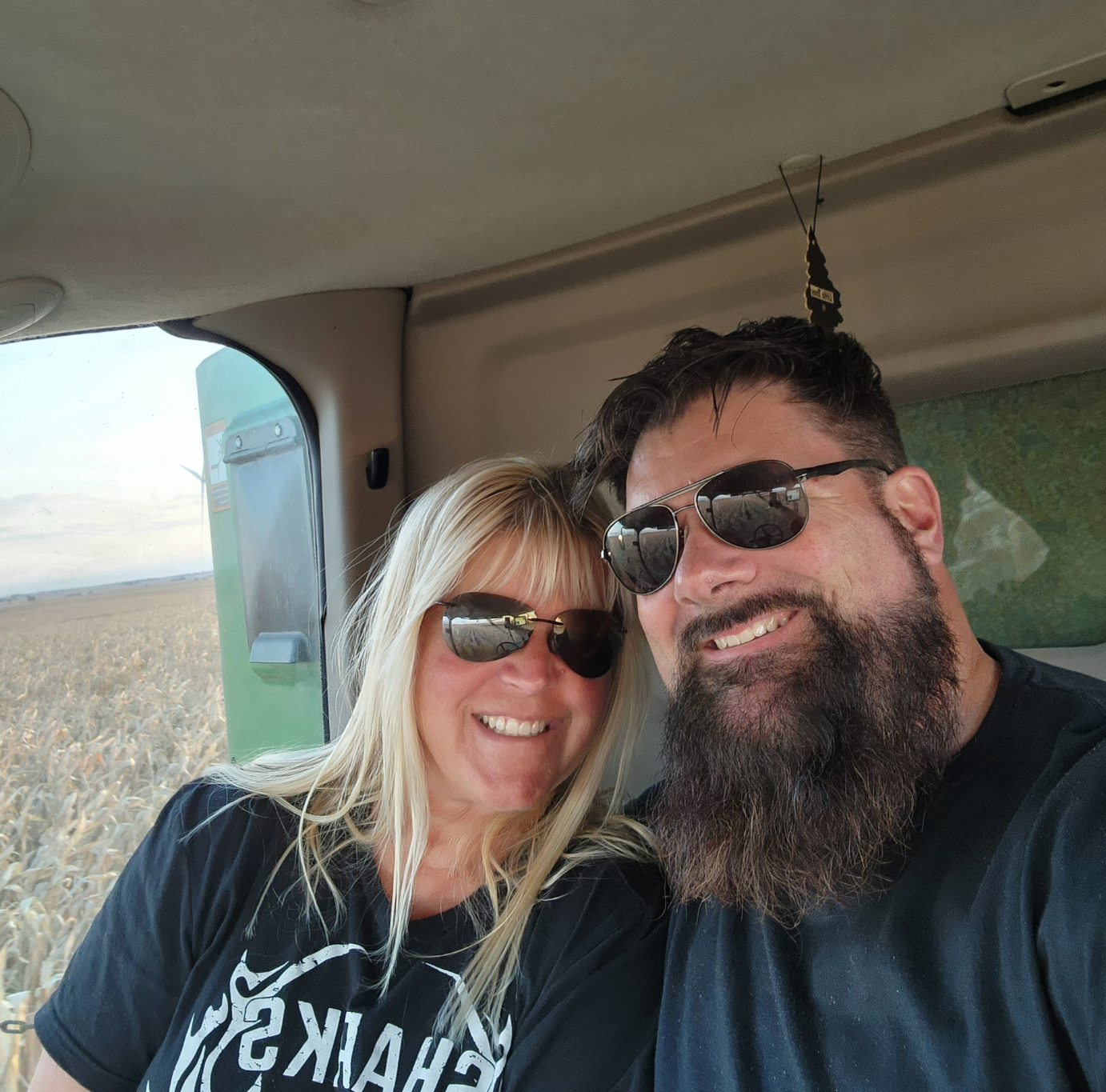
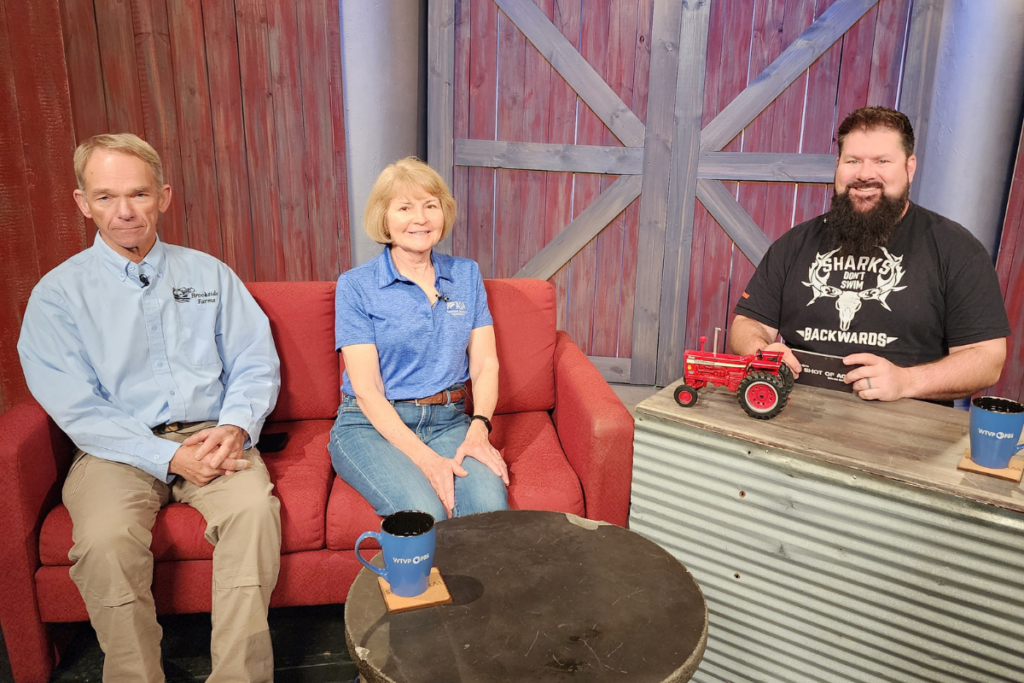
Sharkey, better known by his digital alias, The SharkFarmer, Rob is a podcast and radio show host, keynote speaker, and host of multiple TV shows on RFD-TV and PBS. He farms near Bradford, Illinois, and is now navigating what it means to pass the operation on to the next generation. After buying out his parents, he’s watching that transition come full circle as his 27-year-old son steps into the role of sixth-generation farmer alongside him.
And while the farm’s structure has evolved over time, Sharkey said one thing has become increasingly clear: succession isn’t just a business decision; it’s a deeply personal one.
The conversation most families avoid
Through his work in agricultural media, Sharkey has had a front-row seat to how other farm families approach succession or avoid it altogether. “Eighty to 90% of the interviews I do, the topic of farm succession comes up,” he said. “But what I’ve learned is that most people focus on the financial side and ignore the human side.”
That “human side” is often the hardest part to address. It requires vulnerability, honesty and a willingness to have conversations that don’t always come naturally in farm culture. “Most farm families push off this conversation,” Sharkey said. “It goes against how we’re wired. We’re not always great at talking about feelings or asking for help.”
Instead, those conversations are often delayed — or avoided entirely — until it’s too late. Sharkey emphasises that succession planning shouldn’t happen in passing, between chores or during a busy day in the field. It needs to be intentional.
“This isn’t something you talk about while you’re working,” he said. “It needs to be a sit-down conversation around the table.”
Learning from the past
Like many farm families, Sharkey’s own path into agriculture didn’t come with a formal roadmap. He recalls that, within his family, there were conversations about the farm’s future, but they weren’t always structured or clearly defined.
“We never really had a formal sit-down succession conversation,” he said. “It was always kind of assumed that I would come back and farm.” That assumption worked out, but Sharkey recognizes that not every situation unfolds as smoothly.
Looking back, he appreciates the openness his parents demonstrated and the steps they took to prepare for the future of the operation. That experience now shapes how he’s approaching succession with his own family. “I’m grateful for how proactive my parents were and the conversations we did have,” he said. “That’s something I want to continue.”
A different reality for the next generation
While some aspects of farm succession remain consistent, Sharkey believes today’s next generation is facing a different set of realities than those who came before them. Agriculture continues to evolve, and with it, the financial and operational pressures of running a farm. “My kids are the first generation where they’re probably going to need some sort of supplemental income,” Sharkey said. “Ag is evolving.”
That shift brings a new layer of complexity to succession planning. It’s no longer just about whether the next generation wants to farm; it’s about whether the operation can support them, and what their role will realistically look like. For Sharkey, preparing his children for that reality means having honest conversations early and often. “It starts with asking them what they want,” he said. “What do they envision for their future? What do they want their role on the farm to be?”
At the same time, those conversations need to include clear expectations from both sides. “There has to be an understanding of what they’re entitled to,” Sharkey explains. “But also what the parents are entitled to, because they’re the ones who have been working day in and day out on that operation.”
Setting expectations and avoiding surprises
One of the biggest takeaways Sharkey shares is the importance of clarity. In his experience, the most successful farm transitions are built on open, ongoing communication. “The families that do this well are the ones who talk about it,” he said. “There are no surprises.” That doesn’t mean the conversations are always easy. In fact, Sharkey acknowledges they often require a delicate balance. “The parents who are successful with this type of conversation have a specific approach. They have to be tender, but they also have to be firm with expectations,” he said.
Without that balance, misunderstandings can quickly turn into conflict — especially when assumptions go unspoken. Sharkey has seen firsthand how damaging that can be.
“The most common and heartbreaking reason family farms die is because they get weaponized against the kids,” he said. When communication breaks down, the farm can shift from being a shared opportunity to a source of tension or leverage. And in many cases, that strain becomes too much for families — and operations — to withstand.
Just start the conversation
For farm families who know they need to begin succession planning but haven’t yet taken that first step, Sharkey’s advice is simple: start. “The best thing you can do is just start the conversation,” he said.
That first discussion doesn’t need to solve everything. It doesn’t need to result in a finalized plan. But it does need to happen. “It’s about getting everyone around the table and talking through it,” Sharkey said. From there, families can begin to build a shared understanding of goals, expectations and possibilities for the future.
Building a legacy that lasts
At its core, succession planning is about more than transferring assets. It’s about preserving relationships and building a legacy that can carry forward. For Sharkey, success is defined by a family’s willingness to talk through the hard conversations and listen to one another to move the farm forward.
A successful transition, he said, is one where expectations are clear, communication is open and family relationships remain intact. Because at the end of the day, the strength of a farm isn’t just measured in acres or yield, but in the people who carry it forward. And that future starts with a conversation around the table.
Recent Articles
What makes Illinois soy stand out on the national and global stage? From our unmatched transportation network to innovative infrastructure projects, Illinois moves soy efficiently and effectively.
By

Where Illinois soy stands today - and where it's headed.
By IL Field & Bean Team