
With China Sidelined, Other Export Markets Are Picking Up
The global soybean trade is a cloudy, uncertain world right now, with geopolitical tensions and tariffs. Relationships with some of our largest trading partners are stalling, and disrupted grain movement dominates the headlines.
As the marketplace slowly digests the bad news, there are silver linings: U.S. soybeans are being exported to other markets, starting to restore hope that U.S. soybean farmers will see restored market access and a restoration of the crop’s price at the farm gate.
For the Illinois Soybean Association (ISA), this volatile, shifting landscape drives home the critical need to aggressively pursue new export destinations while maintaining relationships with traditional customers. And that’s what I wake up thinking about every morning.
It’s a rough time. We’re in a really tough part of the commodity cycle anyway. But you add the trade tensions, and it’s a full-on mess. Right now, uncertainty is really what’s driving the market overall.
China’s Looming Absence in the U.S. Soybean Market
Chinese soybean imports ramped up sharply in the 1990s and skyrocketed in the 2000s to meet growing domestic demand. But in the past year, geopolitical tensions have sidelined the massive buyer from the U.S. supply chain, and China has replaced most purchases with soybeans from South America.
The void left by lack of Chinese buying seven weeks into the marketing year is undeniable. This MY24/25 hiatus was predictable. The trend began in January. For the first eight months of the year, U.S. soybean exports to China were just about 218 million bushels, down from the same timeframe in 2024, when Chinese buyers purchased about 985 million bushels.
This has the entire U.S. soybean export value chain shaken, with a lot of concern about long-term competitiveness. The Chinese market is the driver of the global soybean market. They’re just that big.
Nevertheless, global demand for soybeans is strong, and the U.S. is a critical piece of the puzzle.
Opportunity in Other Export Markets
We’re seeing many of the markets in which ISA has worked and invested ramp up U.S. soybean purchase this past fall. Markets such as Egypt, Turkey and Pakistan will continue to positively impact U.S. soybean exports.
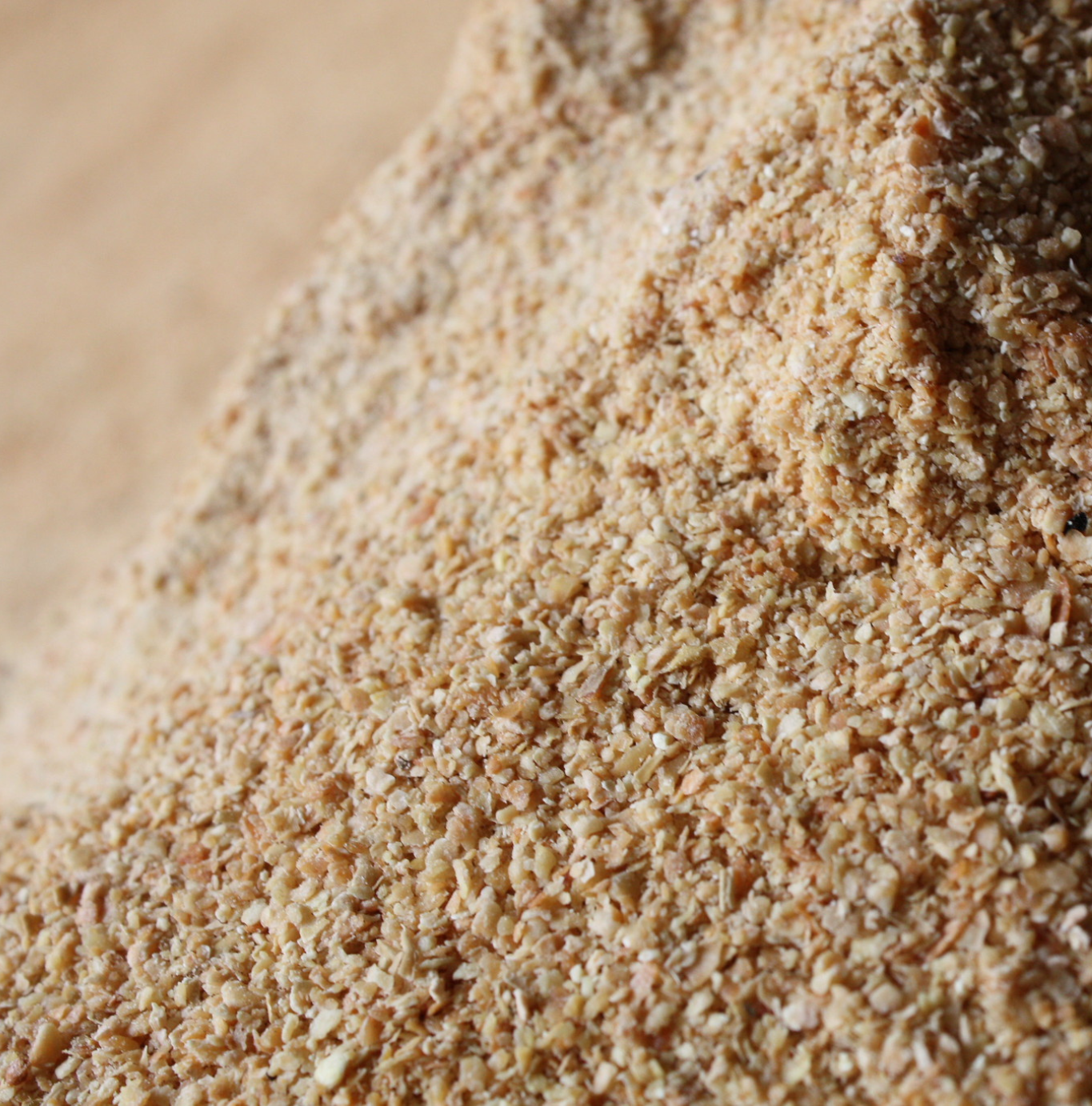
Soybean Meal Export Strides Continue
As soybean exports face headwinds, the soybean meal market is seeing historic strength. An uptick in U.S. crush capacity had dramatically increased the availability of soybean meal for export. And trading partners have responded.
We’re in our third record year of soybean meal exports and headed toward a potential fourth year of the same trend. Meal is finding homes in Latin America and Southeast Asia. In the past, availability has prevented more U.S. soybean meal from getting to Southeast Asia, but we now see consistent offers of competitively priced U.S. soybean meal.
Ways to Differentiate on the World Market
Illinois soybeans must capitalize on their superior quality and existing infrastructure advantages and better match crop attributes to those most desired on the export market. Such steps — aided by policy action promoting Illinois soybeans’ quality to overseas markets — will keep Illinois soy at least in sight of major burgeoning soybean export competitors in the Southern Hemisphere.
- Soybean amino acid profiles. U.S. soybeans meet the 48% protein specification demanded by buyers, and they have a complete amino acid profile that has higher digestibility and metabolizable energy.
- Resilience and infrastructure. The U.S. supply chain is highly resilient, able to leverage shipping options including the Pacific Northwest (PNW), the Gulf, East Coast and container markets.
- Sustainability. U.S. soy shipments offer the SSAP certificate and boast the lowest carbon footprint score.
Illinois soybean farmers are resilient. We will continue connecting with buyers to ensure strong trading relationships and and leveraging Illinois soy advantages to markets around the world.
Recent Articles
The July 2026 issue of Field & Bean Magazine highlights research findings conducted by ISA during the 2025 growing season.
By
Discover the value that collaboration with universities, USDA's Natural Resources Conservation Service, and U.S. Soybean Export Council, Soy Excellence Centers and the Illinois Innovation Network bring to your farm.
By IL Field & Bean Team