

What Domestic Soy Oil Expansion Means For Your Soybeans
Domestic soybean crush capacity has surged in the past few years, reshaping where and how your soybeans are used. For Illinois farmers, the shift means more beans are staying stateside, more oil is flowing into renewable diesel and more demand is reshaping the economic landscape.
“We’ve seen an unprecedented expansion in soybean crush capacity across North America, on the order of 20% to 25%,” explains Matt Hopkins, Vice President of North America Soy Crush at ADM and an Illinois soybean farmer himself. “That’s a meaningful shift in a relatively short period of time.”
At the center of it all is a powerful driver: biomass-based diesel demand and the oil derived from your crop.
WHY MORE BEANS ARE STAYING HOME
For decades, roughly half of U.S. soybeans were exported whole. Today, that balance has shifted.
“Now, the majority of them are staying here and being crushed in the U.S.,” Hopkins says.
Several forces converged to create this kind of structural change. Supportive U.S. biofuels policy and the rapid expansion of renewable diesel have combined to significantly strengthen demand for soybean oil. At the same time, protein demand domestically and globally remains solid.
In short, demand for the full-circle package of U.S. soy benefits has grown at a healthy clip.
“In the end, it’s both. It all works together,” Hopkins says. “Biodiesel and renewable diesel are growing drivers, but the industry is ultimately driven by the combined value of both meal and oil. It’s the total demand that matters.”
That combined value is what crushers watch closely. As oil demand has accelerated, it has pulled crush expansion forward, helping to maintain a steady supply of meal.
“As the increase in oil demand has driven growth, that growth also helps keep meal prices lower. That means cheaper protein in the U.S.,” Hopkins notes.
This diversified demand creates added resilience for you as an Illinois soybean farmer. It means you can meet the needs of multiple buyers including biofuels producers, livestock producers and international customers.
HOW RENEWABLE DIESEL CHANGED THE GAME
If there’s one development that has reshaped the crush landscape more than any other, it’s renewable diesel.
“When we think about the wider biofuels market, the biggest change has been the introduction of renewable diesel,” Hopkins says.
Petroleum refineries on the West Coast and Gulf Coast have converted to renewable diesel production, creating entirely new demand channels for soybean oil. That demand has accelerated investments across the crush sector, coupled with its scalability and compatibility with existing fuel infrastructure.
A focus on environmental stewardship at ADM and across sectors reinforces this outlook.
“Sustainability is the core driver of our growth strategy,” Hopkins points out. “Our entire industry is innovating to meet growing demand for sustainably sourced, bio-based products. The expansion of renewable diesel is a perfect example of how that demand is creating new market opportunities for farmers and our entire value chain.”
COLLABORATION AND COMPETITIVE ADVANTAGE DRIVE INNOVATION
ADM has been investing alongside these shifts in the crush landscape.
“Since biodiesel and renewable diesel have continued to become more mainstream over the last decade, we’ve continued to invest so we can meet evolving demand across markets,” Hopkins says.
One example is Green Bison Soy Processing, a joint venture between ADM and Marathon Petroleum in Spiritwood, N.D.
“We built that plant — the first soybean crush facility in the state — to meet demand driven by renewable diesel while also producing meal for feed markets,” Hopkins explains.
Further east, Illinois is particularly well-positioned within this evolving system.
“Illinois is uniquely positioned between eastern and western crush facilities, as well as export channels,” Hopkins says. “That allows Illinois soybeans to easily satisfy demands both domestic and foreign. And we continue to be in just the right place as the market evolves and grows.”
In other words, your crop isn’t locked into a single pathway. Illinois is famous for its infrastructure, including river access and rail, giving you options as you market your crop. That helps buffer your operation in an unpredictable global economy.“
Increased domestic demand helps reduce reliance on foreign demand and trade flows, which can be unpredictable,” Hopkins says. “Stable local demand is always going to be beneficial to farmers.”
TOTAL DEMAND DRIVES CRUSH CAPACITY HIGHER
As crush capacity expands, what should you monitor? Hopkins points first to international factors.
“Farmers should continue to watch broader global market dynamics, including foreign trade flows and overall global demand trends,” he says.
At the same time, domestic developments tied to energy markets and structural shifts in biofuels will continue to influence oil demand.
“But in the end, the biggest thing is always going to be total demand,” Hopkins emphasizes. “A strong domestic crush sector combined with export opportunities creates a more stable and diversified demand base for Illinois soybeans.”
Policy discussions will remain part of that picture, and Hopkins believes farmers have a meaningful role to play.
“Policymakers and the broader public trust farmers,” he explains. “They value what farmers do and what they have to say. And one of the best ways to get or stay engaged and active is through industry organizations like Illinois Soybean Association. They can help make sure your voices are heard.”
For Hopkins, the expansion of soy crush capacity offers a hopeful and straightforward signal.“It’s an opportunity for farmers,” he says. “More demand is good for all of us, and more capacity to meet it is a sign of the health of our industry.”
Hopkins has worked for more than 20 years in the soybean industry spanning exports, global trade and crush operations, and he sees alignment across the value chain.
“When farmers have a strong, competitive market environment, that’s good for ADM,” he explains. “When ADM builds a new crush plant in North Dakota, that’s good for farmers. Biodiesel and renewable diesel are good for all of us … and what’s good for all of us is good for our rural economies, for jobs and for our futures. We’re proud to be in this together.”
As renewable diesel demand continues to scale, Illinois farmers remain central to the world’s — and increasingly North America’s — fuel future.”
Matt Hopkins is an Illinois soybean farmer and Vice President of North America Soy Crush at ADM who’s served in leadership roles with the U.S. Soybean Export Council and the North American Export Grain Association. He’s spent most of his career in exports and global trade, and he sees domestic crush as a way to bring the ag industry closer together to meet rapidly growing demand for fuel and feed. “Those experiences have taught me how interconnected our industry is, and how our interests really are aligned,” Hopkins explains.
Recent Articles
This issue of Illinois Field & Bean spotlights the On-Farm Trial Network, highlighting how on-farm research drives real-world results.
By
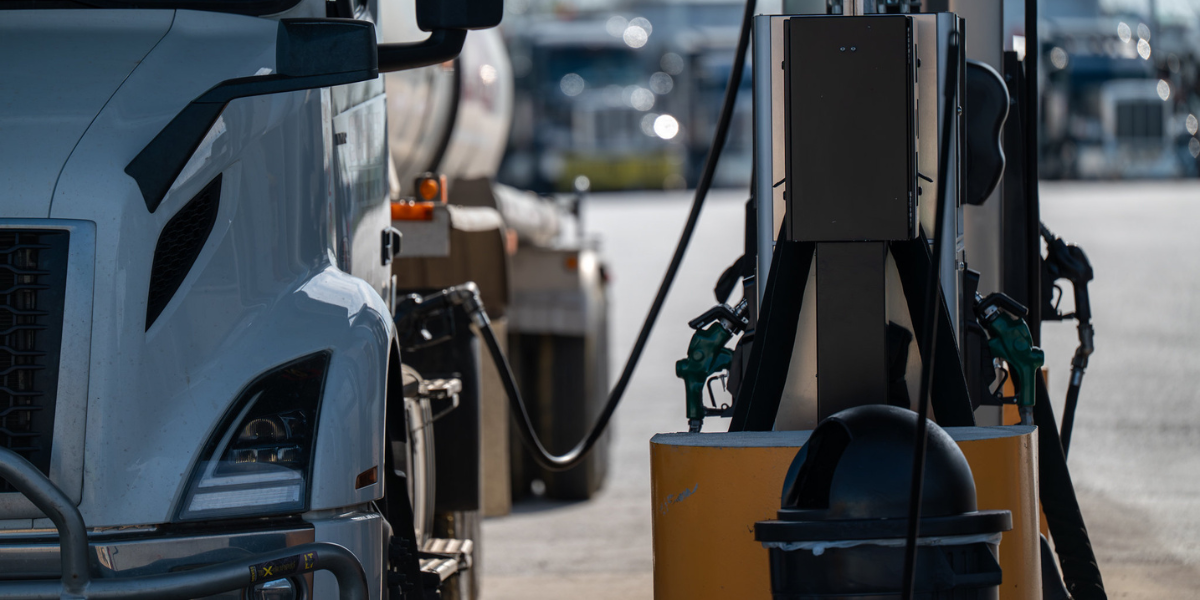
On April 1, the Illinois B20 Legislation moved into full effect, meaning biodiesel blend requirements increased from B17 to B20.
By Rob Shaffer, ISA Government Relations Committee Chairman