

The Illinois Soybean Association (ISA) Government Relations team recently commissioned a first-of-its-kind study to examine the impact of biodiesel on the Illinois economy. Although national research has outlined biodiesel’s economic benefits in the U.S., there has been little Illinois-specific data to fully quantify what the biodiesel industry provides for our state. Until now.
The Illinois Biodiesel Impact Study, completed by Higby Barrett, provides a comprehensive look at Illinois biodiesel production rates, feedstock usage, economic contributions and environmental impact. In the coming months, we’ll share more detailed findings from the report. For now, one key takeaway stands out: the measurable economic impact of Illinois’ biodiesel sales tax incentive — even before it has gone into full effect.
You’ve read in this issue about the biodiesel tax incentive, often referred to as the B20 Law. Since its passage in 2022 and implementation over the past three years, the policy has continued to generate demand for Illinois soy and strengthen in-state biodiesel production.
According to the study, “The sales tax has had a noticeable impact on the biodiesel economy in Illinois. In a nation where the blend rate for biodiesel is typically between 4% to 5% on average, the blend rates are much higher in Illinois.” According to Illinois Department of Revenue data, the 2025 blend rate was just over 15%. With federal uncertainty surrounding renewable fuels policy, successful legislation such as Illinois’ B20 Law reinforces confidence in the future of biofuels use.
Higher blend rates translate into real dollars for Illinois communities. In 2024 alone, the biodiesel industry contributed $58.1 million in state and local taxes. These revenues stem from the business activity the industry supports, including production, transportation and retail sales.
Illinois biodiesel plants are also expanding and modernizing. Over a four-year period, Illinois experienced an average investment of $70.25 million in biodiesel-related infrastructure and equipment. Much of that impact comes from construction activity and equipment manufacturing, industries that support additional jobs and economic output.
Also important to note is the incentive’s environmental impact. The study found that carbon emissions in Illinois have been reduced by more than 4.1 billion pounds of CO₂. In addition, total biodiesel production in Illinois is equivalent to removing 433,792 cars from the roadways. This means the citizens of Illinois have less particulate matter being emitted to the air, improving lung health.
This study confirms what Illinois soybean farmers have long known: Biodiesel is not only a demand driver for your crop but also a powerful economic engine for our state. Soon, we’ll dig deeper into the numbers behind production, feedstock use and long-term economic growth.
For now, the message is clear: Illinois’ biodiesel policy is working for both farmers and citizens.
Recent Articles
This issue of Illinois Field & Bean spotlights the On-Farm Trial Network, highlighting how on-farm research drives real-world results.
By
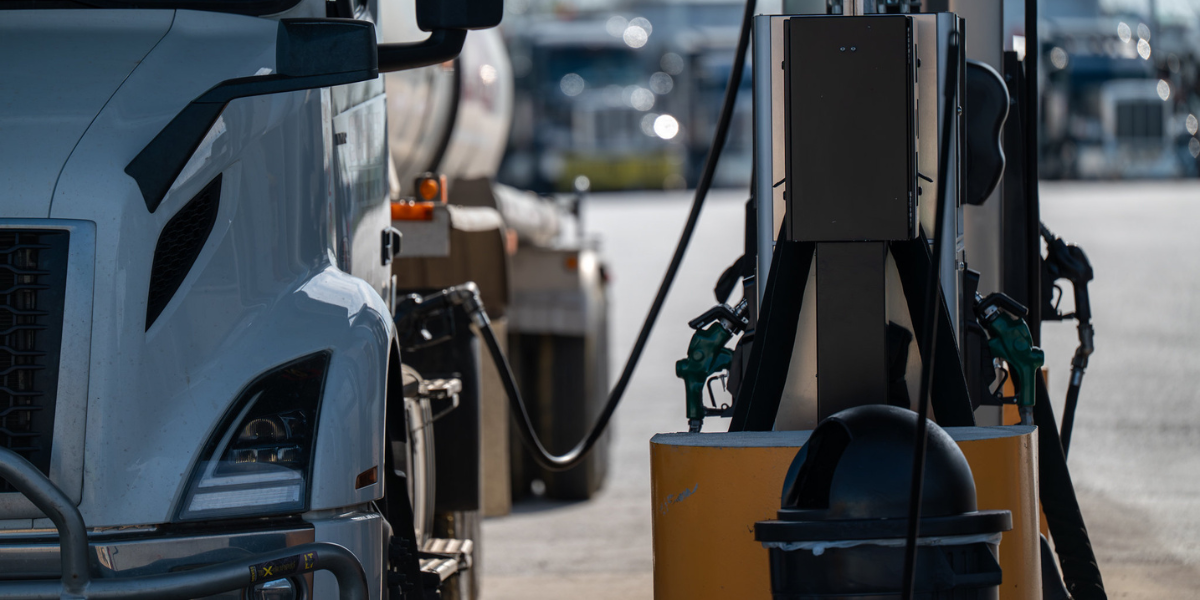
On April 1, the Illinois B20 Legislation moved into full effect, meaning biodiesel blend requirements increased from B17 to B20.
By Rob Shaffer, ISA Government Relations Committee Chairman