
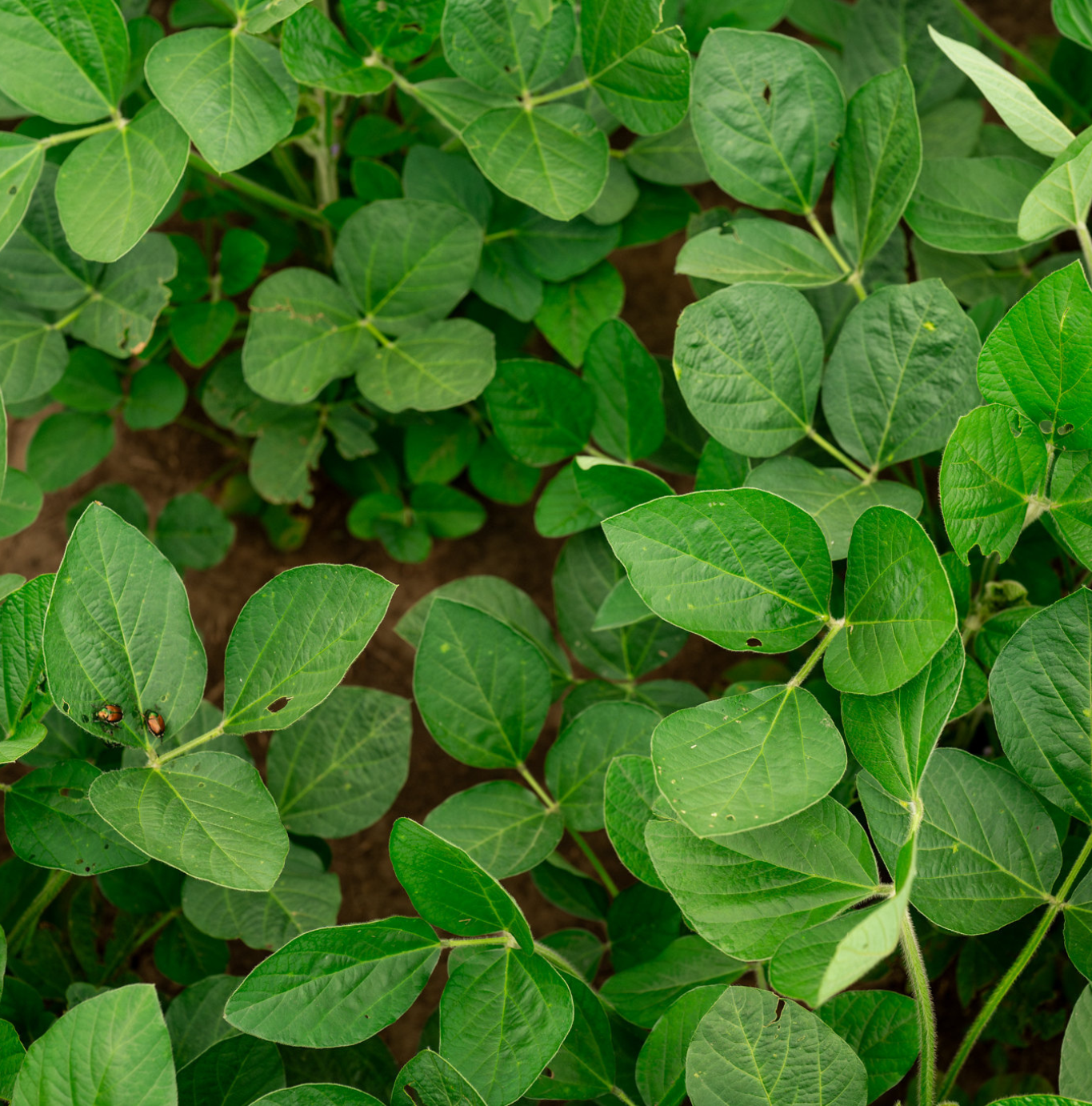
As Illinois soybean farmers head into the 2026 growing season, they are facing a familiar mix of challenges and opportunities. Tight margins, volatile markets, rising input costs and weather uncertainty continue to shape on-farm decisions. At the same time, new technology, stronger genetics and shared learning across the industry are opening new doors. That balance of pressure and progress is exactly what this year’s Illinois Soy Envoy class will be updating us on.
The Illinois Soybean Association’s (ISA) 2026 Soy Envoys are representative of the depth and breadth of soybean industry expertise found across Illinois. They offer perspectives on agronomy education, field research, retail agronomy, production ag, digital storytelling and more. What brings them all together is the goal of helping Illinois farmers navigate the season ahead.
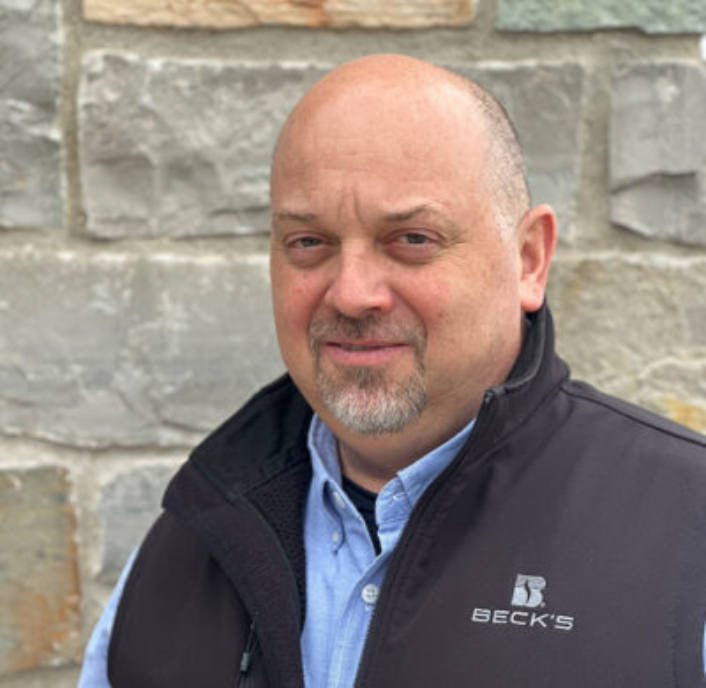
For Matt Montgomery of Chatham, Ill., returning to the program was an easy decision. Montgomery is an agronomy education lead at Beck’s Hybrids. He served as a Soy Envoy in 2025 and said the experience made him want to come back.
“My teammates and the staff at ISA made it a great experience, enough so that I decided I really wanted to come back and do it again in 2026,” he said. “Thankful folks would have me.”
Montgomery brings deep agronomic experience to the role, including nearly 19 years with the University of Illinois Extension. He said financial pressure is the biggest concern he hears from farmers.
“I think tight margins, and all the ripple effects that come from that, are my No. 1 concern,” he said. “I think most growers feel like this is about as tight as it has been for 40 years.”
Still, he sees opportunity in getting back to the basics.
“This moment gives us the opportunity to reiterate foundational agronomic practices,” Montgomery said.
“The conversations that come out of that will not just help people survive, they will help operations thrive over the longterm.”
Timothy Laatsch of Altamont, Ill., also sees economics as the defining issue of the growing season. Laatsch is the owner and president of Field Hawk Ag Research LLC. He pursued the Soy Envoy role as a way to share knowledge and give back to the industry.
“I see this role as an opportunity to serve my God-given calling to acquire knowledge and share insights so that people in agriculture are empowered to innovate, produce abundantly and practice profitable stewardship,” he said.
Laatsch said the challenge for many farmers is figuring out how to reduce costs without sacrificing yield.
“Economics remain the challenge of the day,” he said. “With disrupted trade due to tariffs and elevated input pricing due to global conflict, many farmers are being forced to tighten the belt on input costs to remain profitable.”
Even so, he believes difficult times can create room for new ideas, especially when it comes to collaboration among smaller farms.
“If we both don’t need a planter or a combine, why are we each carrying all those costs against our bottom lines?” he said. “What could we accomplish if we simply loved our neighbor and worked together to help each other succeed instead of always competing?”
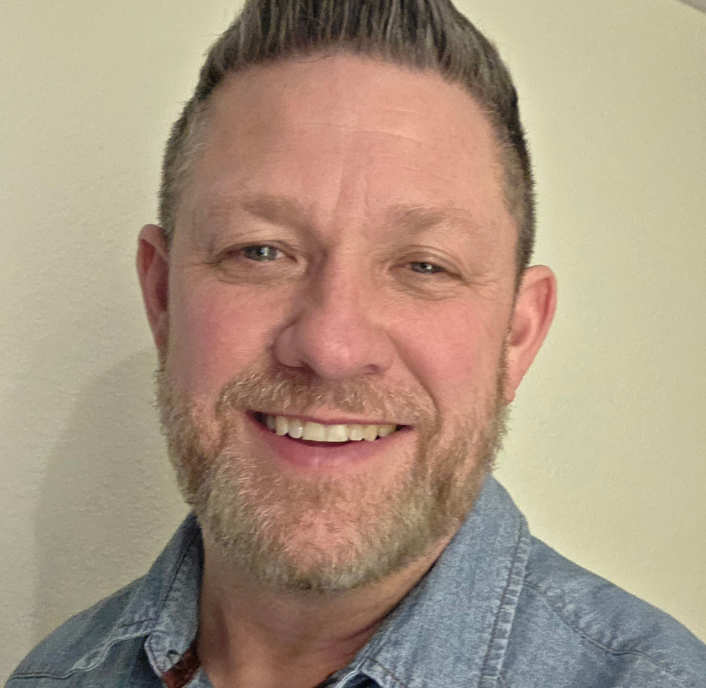
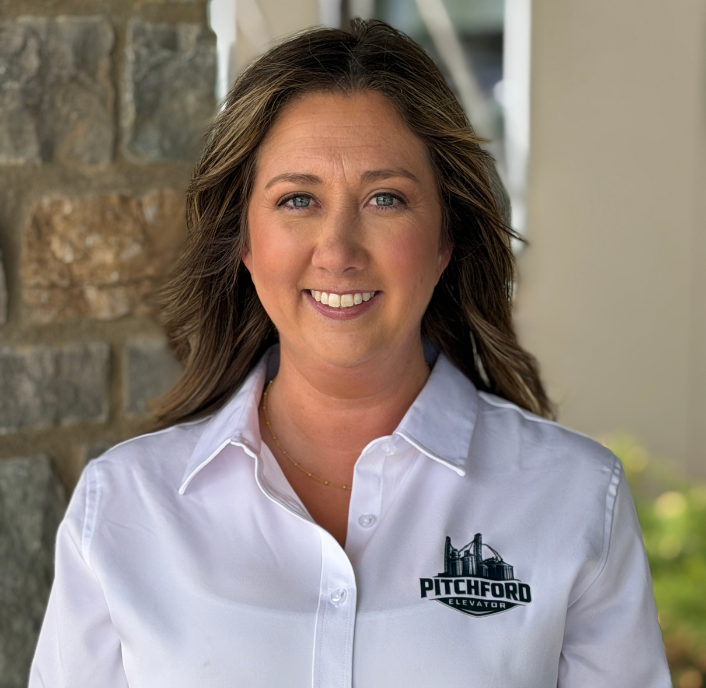
Jamie Horton of Woodlawn, Ill., said the Soy Envoy program comes at the right point in her career. Horton is an agronomist with Pitchford Elevator. She said that she considered applying years ago but that the timing now makes more sense.
“Now that I’m back working directly with growers, it feels like the perfect time to step into this role, bringing a fresh perspective and representing the farmers and production practices of southern Illinois across the state,” she said.
Horton said many of the concerns she hears are practical and immediate.
“Market volatility and input costs remain top concerns for many farmers, along with continued pressure from weeds and diseases,” she said.
But recent conditions have also brought some encouragement.
“Recent rains have helped replenish soil moisture, which is encouraging after the drought conditions we experienced in southern Illinois last year,” Horton said, adding that strong performance from double-crop soybeans following wheat remains another bright spot for growers in her area.
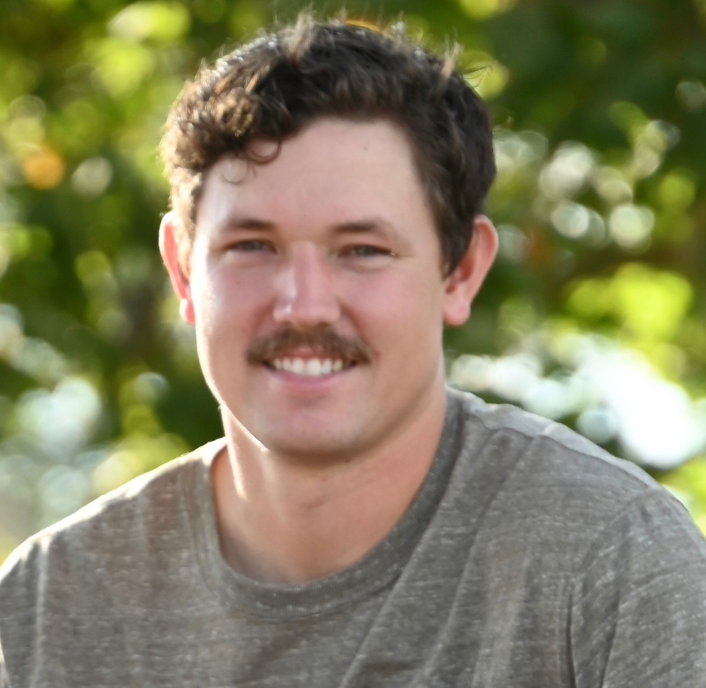
Scott Krone of Rantoul, Ill., said becoming a Soy Envoy was a goal from early in his soybean career. Krone is a product development agronomist at GDM Seeds. He said the program stood out to him right away.
“I discovered the Soy Envoy program shortly after stepping into the soybean industry, and it immediately caught my attention,” he said. “It quickly became clear that this was an opportunity I truly wanted to be part of.”
Krone said his outlook for 2026 reflects both caution and optimism.
“The biggest challenges I’m hearing from farmers and seeing myself are tight margins from rising input costs and soybean prices that are still expected to stay below the cost of production,” he said. “China’s unpredictable export demand only adds to the difficulty of marketing and planning.”
At the same time, he sees meaningful progress ahead.
“New domestic crush plants should boost demand and steady the market,” Krone said. “Stronger Sudden Death Syndrome tolerant varieties, improved seed treatments, and advances in AI, genetics and infrastructure also offer better protection and more efficiency going forward.”
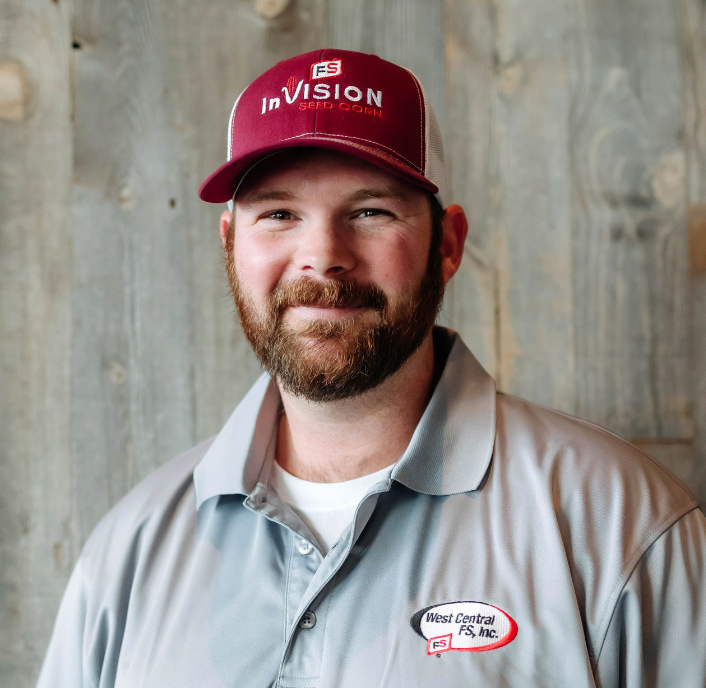
Brandon Hall of Wataga, Ill., said his interest in the program grew out of his respect for ISA’s agronomy work. Hall is a location operations manager at West Central FS. He said the organization’s resources have had real value in his day-to-day work.
“I have always been incredibly impressed with the transparency and mission of the Field Advisor platform, as well as the direction of the agronomy team here at ISA,” he said. “From field days to webinars, I believe ISA has given me tools and resources used in my everyday work.”
Like others in this year’s class, Hall said profitability is top of mind.
“The financial scope that farmers are facing currently is the biggest challenge heading into the season,” he said.
“These times bring challenges in many ways but also can present opportunities as well,” Hall said. “It is my personal challenge to help farmers navigate products and systems to protect the bottom line.”
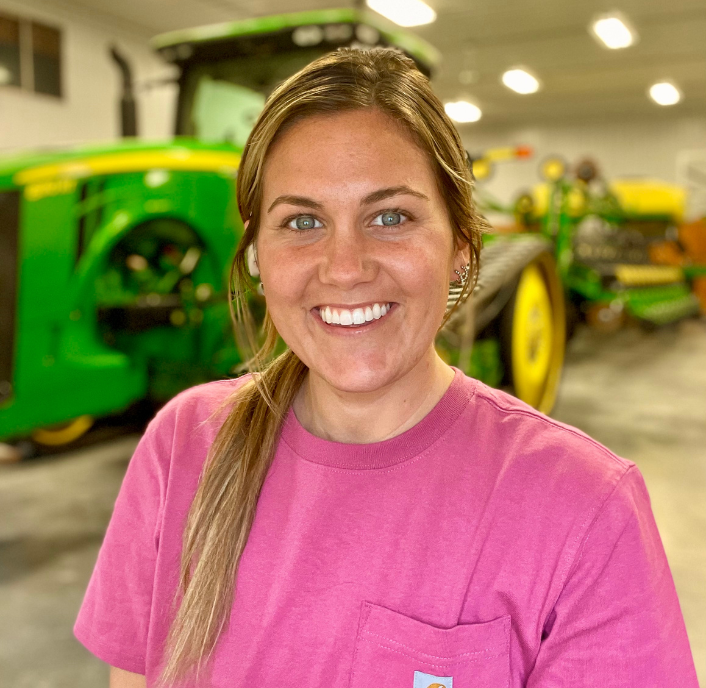
Marissa Scott of Newark, Ill., offers a farmer’s perspective grounded in both production agriculture and communication. Scott is a fifth-generation farmer who grows corn and soybeans with her family in Kendall and Grundy counties. She also shares farm life online through Central Sisters, the social media platform she started with her twin sister. “I’ve grown up around farming and now work in it, so I’ve seen both the challenges and the pride that come with raising a crop,” Scott said. “I wanted the opportunity to learn more about the industry beyond our family farm and to better represent the people and stories behind the crop we grow.”
Scott said her family shares many of the same concerns facing farmers across Illinois.
“Like many farmers, we’re thinking about input costs and market uncertainty,” she said. “At the same time, there are really exciting opportunities in new technology like improved seed genetics.”
As the 2026 season unfolds, these six Soy Envoys will help tell the story of soybean production in real time. Their perspectives come from different regions, roles and experiences, but together they offer a broader view of what Illinois farmers are facing and where the industry might be headed next.
Recent Articles
Strategic partnerships are expanding opportunities for Illinois soy. From cutting-edge university research to global market development, these collaborators are boosting demand and driving value.
By
Learn how good transportation makes for good economics.
By Todd Main, Director of Market Development, Illinois Soybean Association