
Change is coming to agriculture. The average age of a farmer in the United States is 58 years old, at a time when the average retirement age is 63. Industry experts expect that 70% of all farming land in the U.S. will change hands in the next 12 years, while we have already seen non-farming land ownership rise precipitously. Fewer and fewer people are engaged with farming on any level other than buying food from a store. One hundred years ago, 30% of people in the country were farmers, and today that number is just 1.8%. Every generation gets further and further removed from the rewarding lifestyle of farming.
We see policy fights coming our way from Springfield and Washington D.C., as the lack of contact and context with farming drives decisions that hurt valuable infrastructure and supply chains that took decades to develop. Farm ground has never been more expensive, as you see new highs posted every week, creating a growth barrier for young farmers. We are in the midst of a steep economic downturn that has forced us away from a structured Farm Bill that farmers can plan off of and into a spur of the moment ad hoc payment system. Input prices far exceed commodity prices and even breaking even seems impossible most days.
So now that I have laid out all the doom and gloom, what can we do about it? My grandpa always said, “Don’t just see problems, create solutions.” Once we’ve identified a problem, we have the responsibility to ourselves and those around us to try and fix it. The first step is to have belief. The FFA Creed says, “I believe in the future of agriculture with a faith born not of words, but of deeds.” Farmers have epitomized this belief for generations, rolling up their sleeves to get the hard work done to build a better family, farm, community and industry.
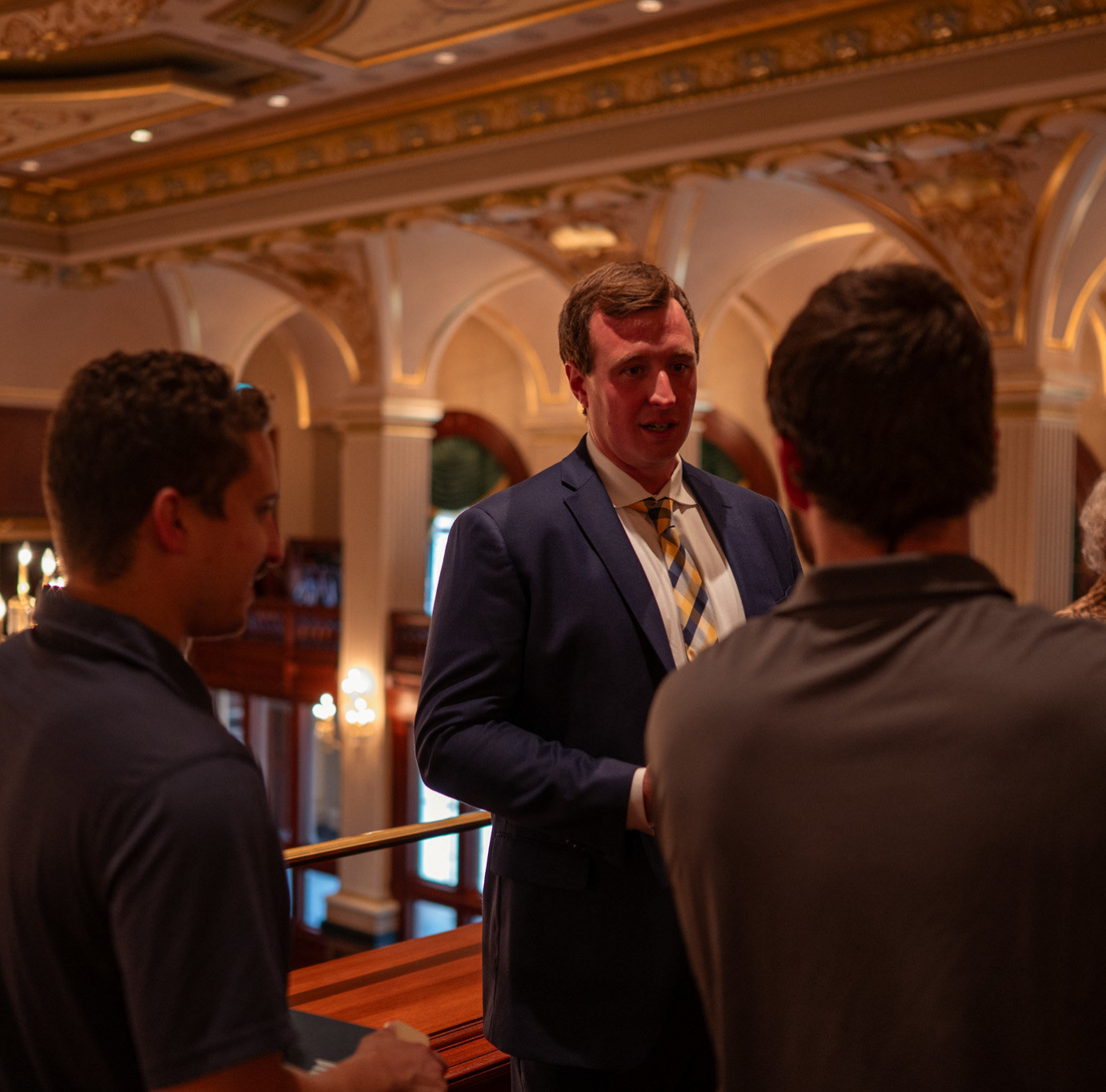
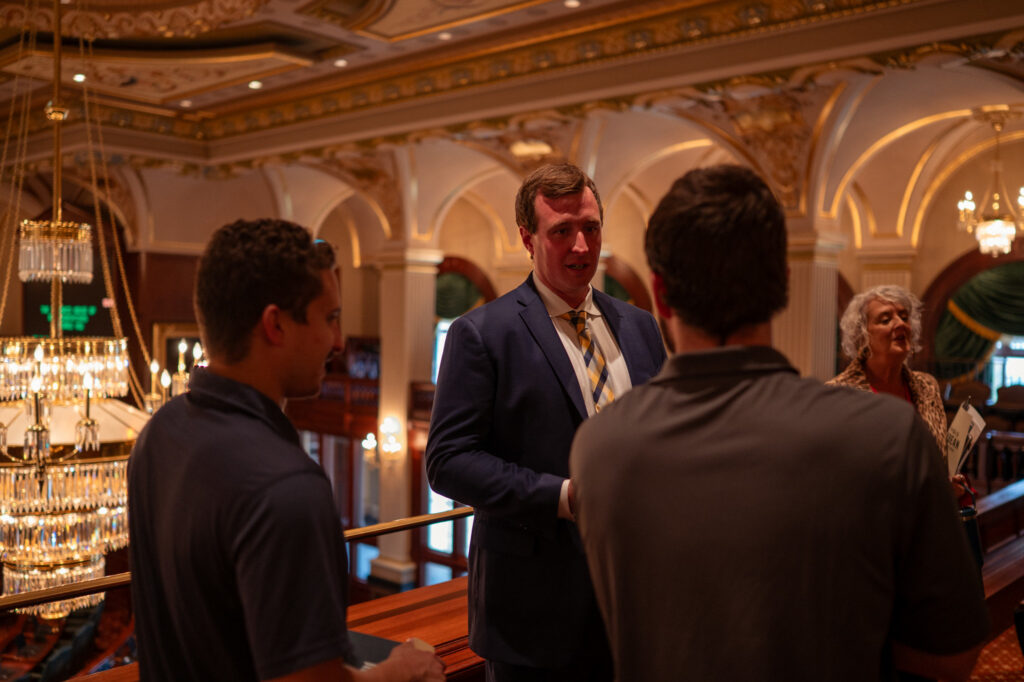
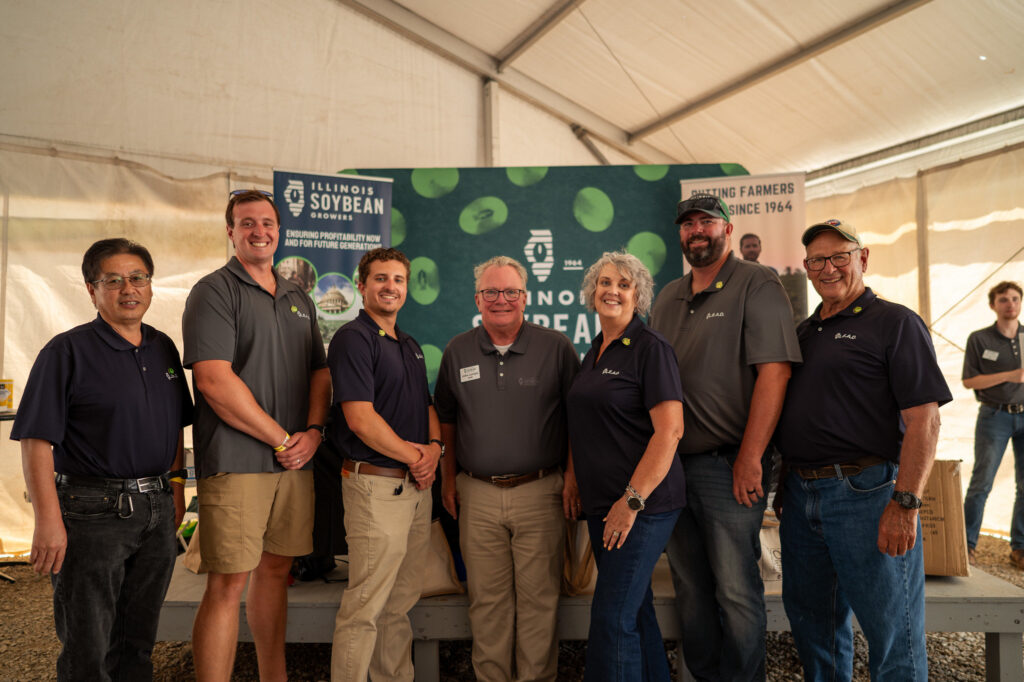
The second way forward is to invest in the next generation. We have to build strong leaders for trying times in agriculture. We have to give them reps, get them involved and give them a voice. Combining the input of multiple generations is what has made many of our farms so successful. Different life experiences blended together create the best solutions. One of the ways that the Illinois Soybean Association (ISA) is doing this is through the LEAD Program. They are creating high-level training and opportunities for farmers of all ages that blend generations for a great learning experience. Most importantly, they are giving young farmers the needed repetitions to carry on the legacy of farming. This program is providing members with educational opportunities like plot research, high-level resources, and chances to go in front of legislators and build relationships.
These reps are more important than ever to our industry. The Greek poet Archilochus said, “We don’t rise to the level of our expectations, we fall to the level of our training.” Thanks to ISA’s investment in the future through this program, I believe we will have terrific leaders ready to face the problems to come.
Recent Articles
What makes Illinois soy stand out on the national and global stage? From our unmatched transportation network to innovative infrastructure projects, Illinois moves soy efficiently and effectively.
By
Where Illinois soy stands today - and where it's headed.
By IL Field & Bean Team