
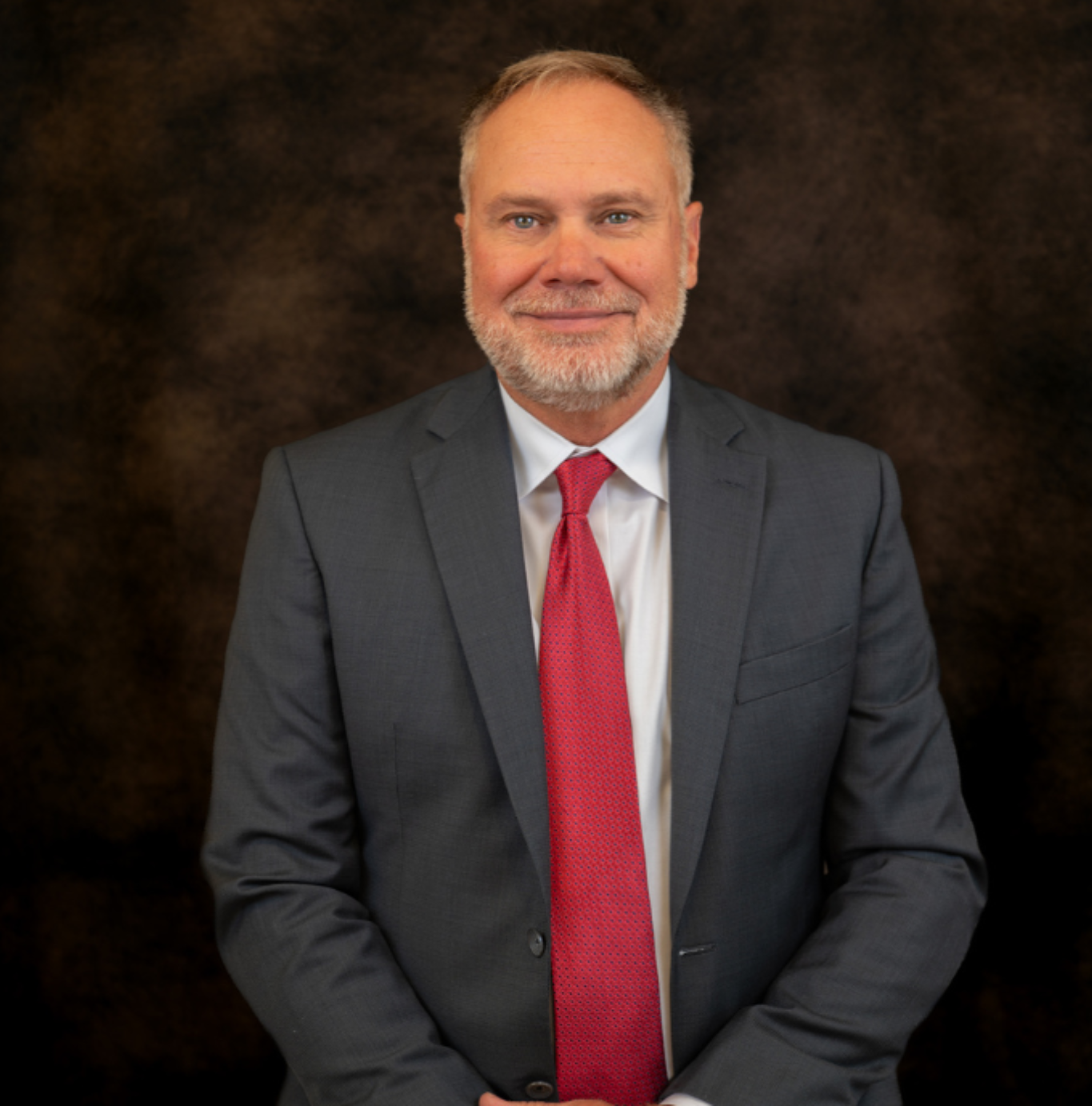
I have been on our home farm in Potomac my whole life. My grandpa started farming here in the 1950s after moving up from the La Place area, and my dad took over the operation in 1976. After graduating college in 1988, I returned to the farm before spending about eight years working at a chemical dealership. In 2007, I was fortunate enough to come back and begin farming with my dad as a 50% partner. Then, in 2014, he retired and I fully took over the farm operation.
My boys, Michael and Nicholas, came back to the farm in 2014 and 2015. Since then, and especially over the past five years, they have slowly taken on more responsibilities. As a father, there’s no better feeling than having your sons want to come back and farm with you. I can probably say the only thing better is having grandkids.
I am now 61 years old, and succession planning becomes much more real at this stage of life. A lot of people put it off because it can get really complicated really fast. And honestly, it’s not always an easy thing to talk about. There are lawyers involved, accountants involved, life insurance policies, LLCs – all of the things you have to work through if you want to give the next generation a chance to keep the farm together.
People outside of agriculture don’t realize how much of a farm’s value is tied up in ground and equipment. On paper, it can look like there is a lot there. But with cash rent, diesel fuel and input costs where they are today, margins are extremely tight. Most of the investment goes right back into machinery, land and keeping the operation going. There is not a lot of cash just sitting around.
That’s why the Illinois estate tax is such an important issue for farm families. In Illinois, once an estate’s worth goes over the current $4 million threshold, the tax is applied to the whole value. It applies to every last cent, not just the amount that goes over the limit. As I stated earlier, with farmland, machinery and inputs costing what they do today, it doesn’t take long for a farm to reach that point.
If a family doesn’t have a plan in place, or if something unexpected happens, it can create a really difficult and sad situation for the next generation. In some cases, it means selling land and equipment just to cover the costs. Honestly, that would just break my heart if my sons or grandchildren had to sell any of the farm that has been in the family for decades.
The goal is to not build something just so it can eventually be split apart. The goal is to keep it going. I got to farm with my dad, and now I get to farm with my sons. I would love nothing more than to see my grandkids have that same opportunity. Right now, they are ages 14, 4 and 2, and they already love being out on the farm. That means a lot to me. I’ve started thinking less and less about myself, and more about whether the farm will still be here in one piece years down the road.
Every year, more ground gets sold off or turns into commercial ventures or development. Once that happens, the land rarely comes back into production agriculture. If it does, the new owner has less incentive to care about the sustainability and conservation aspects. Farmers are arguably the greatest stewards of our land, and part of sustainability is making sure family farms can survive for the next generation.
It’s time for the Illinois legislature to take a serious look at estate tax policy reform. We haven’t seen much movement recently. The last time the estate tax threshold increased was in 2013, when legislators raised the threshold from $3.5 million to $4 million.
The reality on the ground is that these rules are out of date and can cost families their livelihood. Farmers are not looking for an advantage but rather for a system that recognizes the capital-intensive nature of modern agriculture and the importance of keeping farms in families. Without some level of reform or adjustment, more family farms will continue to face difficult decisions that could have been avoided.
Farmers need estate tax reform now, and I will lead Illinois Soybean Growers to work toward that goal. That said, we feel the best chance is a big-tent approach that includes small businesses and other allies who are often members of our rural communities. Rising tides raise all ships.
Recent Articles
Strategic partnerships are expanding opportunities for Illinois soy. From cutting-edge university research to global market development, these collaborators are boosting demand and driving value.
By
Learn how good transportation makes for good economics.
By Todd Main, Director of Market Development, Illinois Soybean Association