
Illinois is home to some of the most productive soil in the world, making it an advantage to have a place to grow crops such as soybeans. This rich soil gives our farmers an advantage by supporting high crop yields and producing quality soybeans that are in demand across the nation. The benefits of Illinois-grown soybeans grown in the state of Illinois bring advantages to farmers, not only that but nationality and globally. Soy is used in many advantages that many people are unaware of the vital role soy plays in their daily lives.
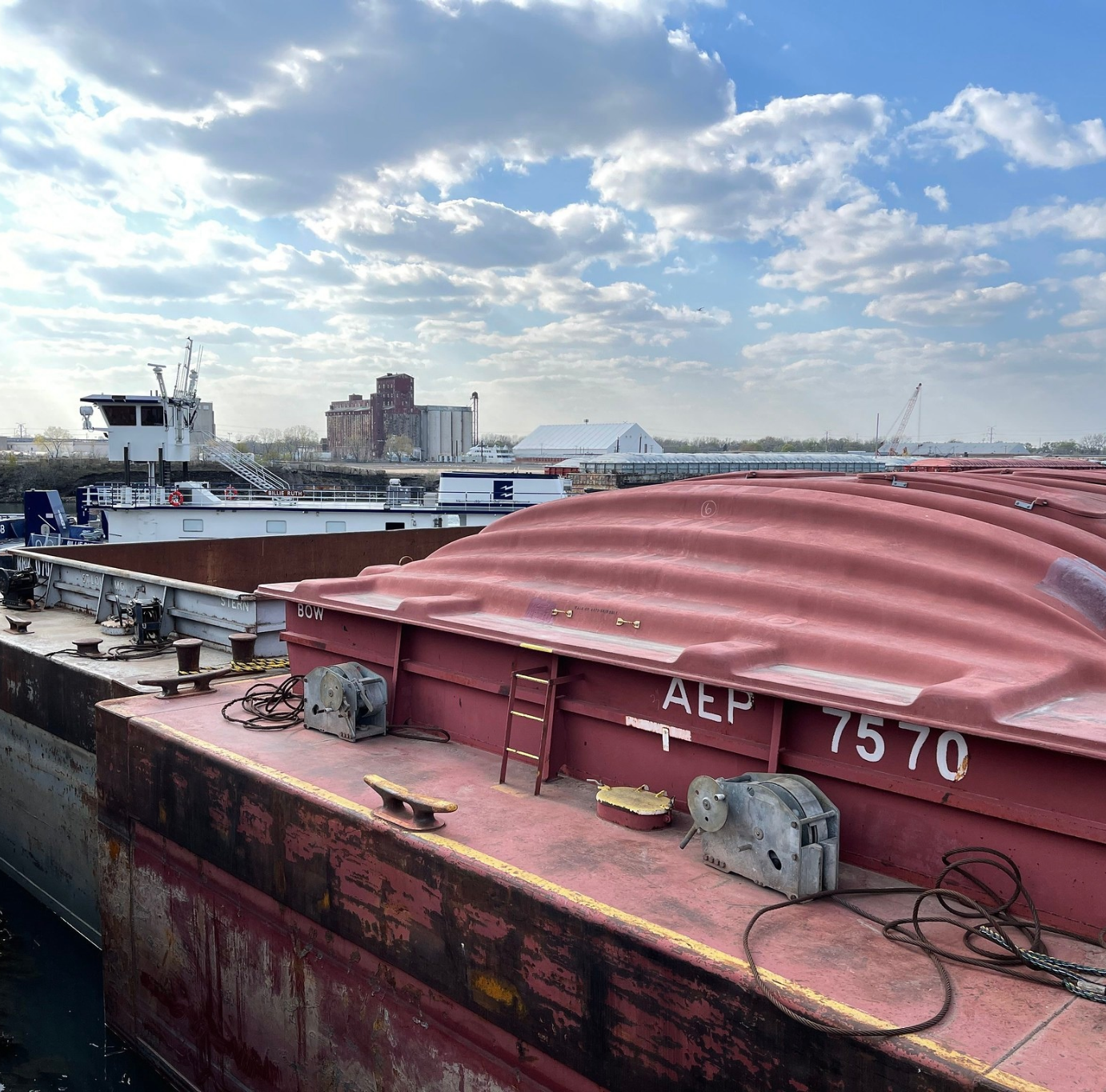
The Midwest is widely known for its agricultural production and its role in providing food across the nation and around the world. Illinois alone produces approximately 474 million bushels of soybeans, making transportation critical to move products efficiently. Multiple transportation options including railroads, trucks, and barges give Illinois an advantage by providing a strong and reliable network. “It is about the network, having a strong network and strong resiliency due to the unpredictability of unpredictable times. If you have issues such as an accident, you have other options to get your exports delivered,” said Todd Main.
The transportation network not only can help farmers reach domestic markets but allows agricultural products to be exported to consumers and customers around the world. Illinois has access to major rail corridors, highways, and rivers, creating a system that can move massive quantities of grain efficiently. The availability of multiple transportation options helps reduce delays, strengthens our supply chain reliability, along with that being able to support the state of Illinois’ agricultural economy by ensuring products can reach manufacturers, and export terminals when the demand is at its highest. As global markets continue to rely on Midwest crops, improving transportation remains essential to our regions’ long-term growth and success.
Illinois is ranked as the nation’s leading soybean producer, having a surplus that supports both exports and the state’s transportation industry. According to Main, “Exports are driven by demand; strong demand raises prices, which is better for farmers.” This highlights the importance of maintaining effective transportation systems that connect Illinois producers to markers around the nation. Roads, railways, and waterways enable soybeans to be moved more efficiently from farms to processing facilities, ports, and international buyers. When transportation networks operate smoothly, shipping costs remain lower, and products can reach customers faster, helping Illinois farmers remain competitive in domestic and global markets. Along with that, the movement of agricultural goods supports jobs in trucking, warehousing, rail transportation, and creating larger economic benefits for communities throughout the state. As for Illinois, soybeans continue to grow. Having reliable transportation will remain essential for sustaining agricultural productivity and economic growth.
Illinois has been able to grow its soybean production as the demand for soybeans continues to expand across a variety of markets. As our markets expand, it gives our farmers more opportunities to grow and sell crops, encouraging production to meet demands. Soy production to meet our demands. If we have more markets, we have more demands,” said Todd Main. In Illinois, our soybeans are grown and used in biodiesel production, vegetable oil, livestock feed, and other food products as well. Not just in Illinois, soybeans are shipped throughout the United States and exported internationally, where they will be used for animal feed and human consumption. “Soy is the lowest cost form of protein; countries with poverty especially, soy is an economical way for their meals. It is cheaper for livestock feed, and or used for human food production. Production of biodiesel for cooking oil, and is domestically produced,” said Todd Main.
Illinois moves soy effectively, a policy briefing on SB3208: Implement of Husbandry Modernization is a policy that will help our farmers with the way our soy moves. SB3208, sponsored by Senator Patrick Joyce and Representative Lawrence Walsh Jr. Updating the Illinois law is to better reflect modern agriculture equipment. Our current state definitions were written over decades ago and do not help the larger farm wagons commonly used today in agriculture; with this it is creating potential confusion for farmers and our law enforcement.
What does SB3208 do? It updates the definition of ‘implement of husbandry’ in the Illinois Vehicle Code. Allowing farm vehicles with one axle to qualify up to 24,000-pound limit for single-axle farm vehicles to qualify under the definition. Along with that, it allows farm wagons with two or more axles to qualify up to 44,000 pounds. It provides clarity for farmers, law enforcement, and regulators regarding which vehicles qualify for agriculture exemptions.
Why does this matter for Illinois soybean farmers? “Modern soybean harvest requires larger wagons to move grains efficiently between fields, bins, and local elevators. Many commonly use wagons today exceeding older weight assumptions despite being standard agricultural equipment. Clear definitions help avoid unnecessary citations or regulatory confusion during critical plating and harvest periods. Updating the law ensures Illinois agriculture can operate efficiently while maintaining safety standards,” said Matt Johnson.
Our farmers depend heavily on quality and efficient transportation to move crops from their fields to storage to market. As farm equipment has changed, larger grain wagons have become a standard tool for improving an efficient harvest, and helping reduce the number of trips needed to transport soybeans. With harvest being a time-sensitive period of the year for soybean farmers. Any delays, confusion, or uncertainty with transportation regulations can create challenges for our farmers. Updating the law to reflect on agriculture equipment helps farmers keep soybeans moving efficiently while providing clear guidance for both farmers and law enforcement.
Illinois’ rich soil and strong agricultural practices have helped the state of Illinois, the nation’s leading soybean producer. Soybeans are an important crop that supports numerous industries, such as biodiesel, vegetable oil, livestock feed, and human consumption, while serving as an affordable source of protein throughout the nation. With Illinois producing millions of bushels of soybeans yearly, efficiency on transportation is important to moving crops from farms to domestic and international markets. Illinois benefits from a diverse transportation network, allowing our farmers to move soybeans efficiently and smoothly.
Recent Articles
What makes Illinois soy stand out on the national and global stage? From our unmatched transportation network to innovative infrastructure projects, Illinois moves soy efficiently and effectively.
By

Where Illinois soy stands today - and where it's headed.
By IL Field & Bean Team