

Plant-parasitic nematodes are a constant presence in Illinois soybean fields. The most damaging of these is the soybean cyst nematode (SCN). This pest is found throughout the state and is considered the most damaging pest of soybeans. And unfortunately, SCN rarely causes above-ground symptoms. Instead, the nematode eats away at yields while leaving an otherwise healthy-looking plant above ground. While most commercial soybean varieties have resistance to SCN, the repeated use of the same source of resistance, PI 88788, has allowed SCN populations to adapt.
The only way to know how much SCN is in a field is to test the soil. The University of Illinois and Illinois Soybean Association are again offering free SCN testing to Illinois farmers. Farmers can email us at freeSCNtesting@illinois.edu or visit our website https://publish.illinois.edu/freescntesting/ to get a free testing kit and learn more about how to collect a soil sample. We process the soil, count the number of SCN eggs, and send the results back to the farmer. Since the program began, we’ve tested more than 3,000 samples from across the state. About 75% of those samples contained SCN, but egg counts varied tremendously—even among fields farmed by the same grower (Figure 1).
The SCN testing program is also helping us determine where SCN populations are adapting to PI 88788 resistance. We have begun asking growers which soybean varieties they are planting. This information helps us determine which sources of resistance are being used and how well they are controlling SCN. For samples with high SCN egg counts, we run an additional greenhouse test to determine which sources of resistance are still effective. Unfortunately, these data confirm that many Illinois SCN populations are becoming less affected by PI 88788.
While SCN tends to get the headlines, it is far from the only plant-parasitic nematode found in Illinois soybean fields. Unlike SCN, many of these species have wide host ranges that include soybean, corn, and cover crops. Far less is known about their geographic distribution and the damage these different species cause. For example, the lesion nematode group includes at least eight different species found in Illinois (Figure 2). A recent Wisconsin study estimated that one of these lesion nematode species could cause up to 7.6% yield loss in infested soybean fields, depending on the region (Saikai and MacGuidwin, 2022). We don’t yet know whether the same relationship occurs in Illinois. We also don’t know whether some cover crops might increase populations of these nematodes or whether others could help suppress them. We are addressing these questions through field experiments across Illinois and controlled greenhouse studies.
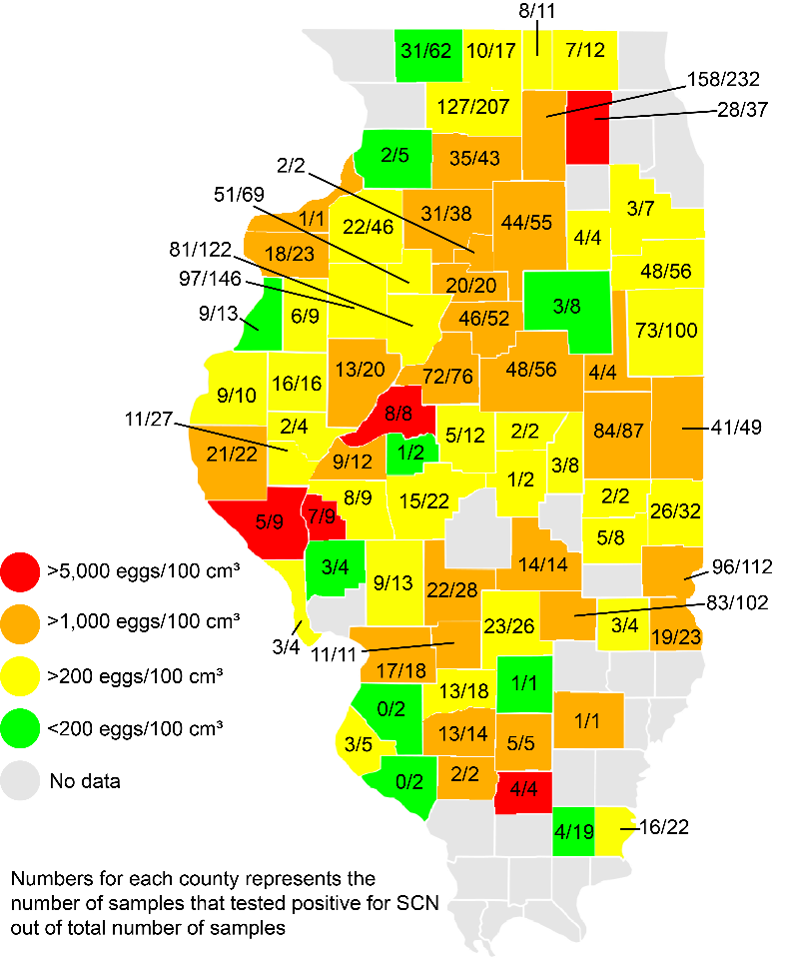
Figure 1: Distribution of SCN determined through Free SCN Testing Program.
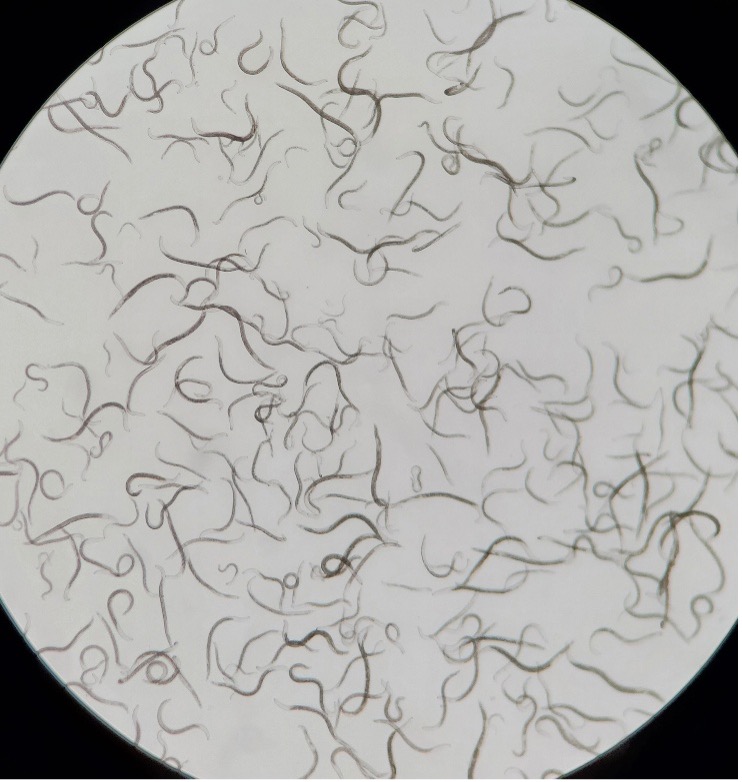
Figure 2: Microscope image of lesion nematodes. Photo credit: Jaeyeong Han, University of Illinois at Urbana-Champaign
Recent Articles
What makes Illinois soy stand out on the national and global stage? From our unmatched transportation network to innovative infrastructure projects, Illinois moves soy efficiently and effectively.
By
Where Illinois soy stands today - and where it's headed.
By IL Field & Bean Team