
By Darby Danzl, Regional Technical Agronomist, and Whitney Miller, Agronomic Services Coordinator, Illinois Soybean Association
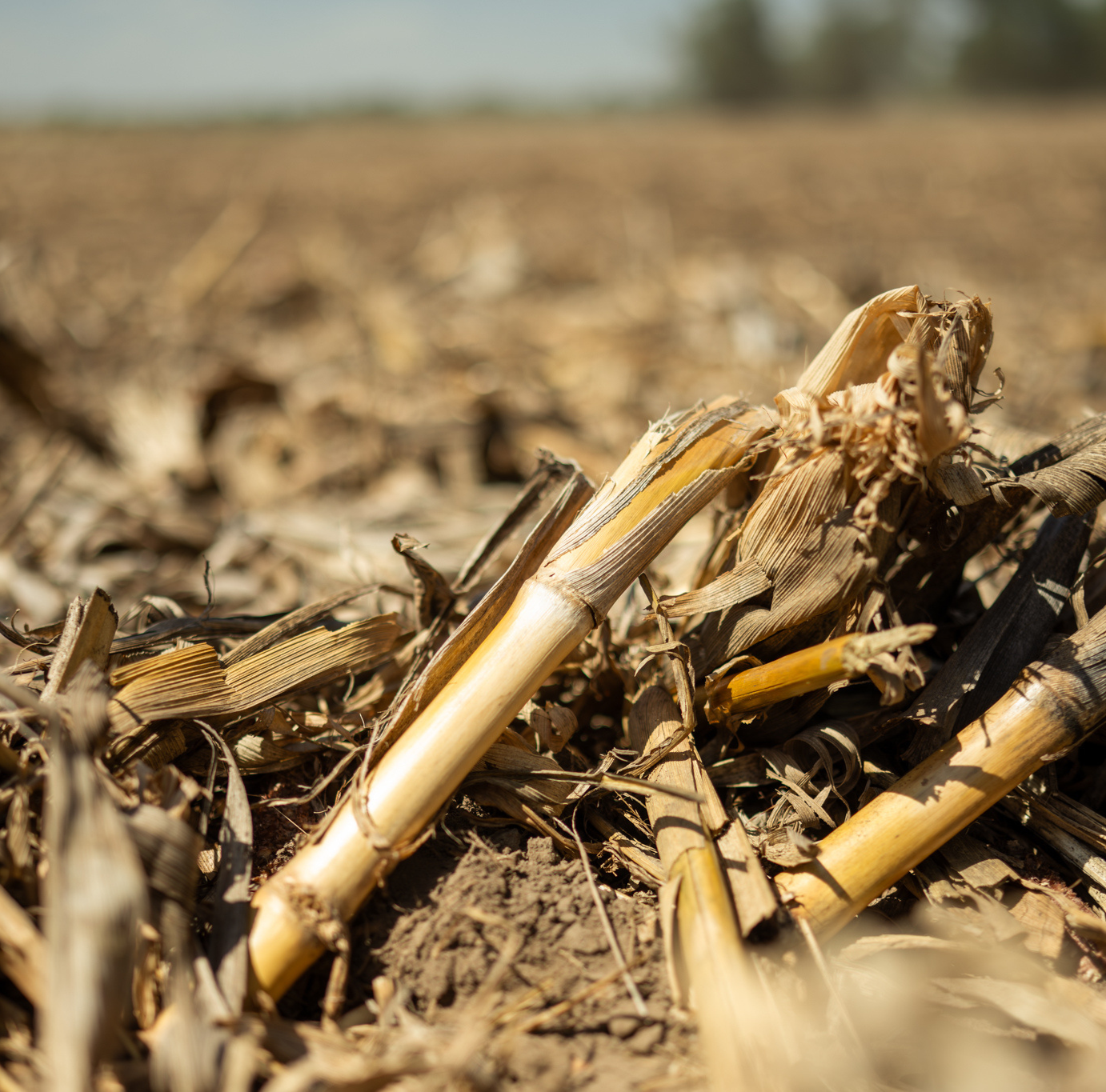
Farmers are constantly managing for higher yields, but as yields increase, so does the volume of crop residue left behind after harvest. That residue can become even more challenging to manage as growers reduce tillage, add double-crop wheat to their rotations and incorporate cover crops into their systems.
For some, this residue is seen as “trash” that gets in the way of planting the next cash crop, while others recognize that it provides important agronomic and conservation benefits. However, both farmers often agree that managing residue effectively can be one of the first challenges they face as they prepare for the next cropping season.
Uneven distribution behind the combine, slow decomposition, nutrient availability and proper seed placement are all challenges that farmers encounter. However, the same residue that can create challenges for the next crop can also provide valuable benefits.
Residue protects the soil surface from erosion, suppresses weeds, helps improve water infiltration and contributes to long-term soil health. As it breaks down, it also returns valuable nutrients to the system. As growers face rising input costs, increasingly variable weather, and the need to protect long-term soil productivity, residue can play an important role in building more resilient cropping systems.
The challenge is figuring out how to make residue work for your system without letting it create problems for the next crop. That starts with effective residue management.
To help farmers better manage crop residues, the Illinois Soybean Association (ISA) is hosting “The Residue Breakdown”, a workshop scheduled for December 10 in Bloomington and December 11 in Baylis, Illinois. This event is part of ISA’s new Grow Your Ground Game campaign, providing farmers with practical information and insights from Illinois-based research to support profitability and decision-making.
The goal of this workshop is to give farmers a clearer understanding of how residue functions in the field and what management options may help them achieve their agronomic and economic objectives.
Nationally recognized soil health expert Barry Fisher will discuss intentional residue management and its role in soil health and nutrient cycling. His session will connect residue management decisions made in the fall to planting conditions and crop performance the following spring.
University of Illinois researchers Dr. Andrew Margenot and Dr. Connor Sible will share insights from checkoff-funded research examining residue decomposition, nutrient cycling and management factors that influence nutrient availability. Their presentations will help growers understand the science behind residue breakdown and the implications for crop production.
Practical experience will also be part of the conversation. Lance Tarochione, Technical Agronomist for Bayer Crop Science, will address topics such as residue distribution at harvest, residue sizing, tillage considerations, biological products, fertility strategies and the interaction between cover crops and residue management.
The event will conclude with farmer panel, offering perspectives from growers, researchers, and industry members who have worked through these same challenges in their own operations.
As crop yields continue to rise and conservation practices evolve, residue remains both an opportunity and a management responsibility. Understanding how residue influences soil health, nutrient cycling, planting conditions and profitability can help farmers make management decisions that fit their farms today while building resilience for the future.
The Residue Breakdown is free to attend and includes lunch. Learn more and register at ilsoy.org/events.
I will update the link in layout once we have it!
Recent Articles
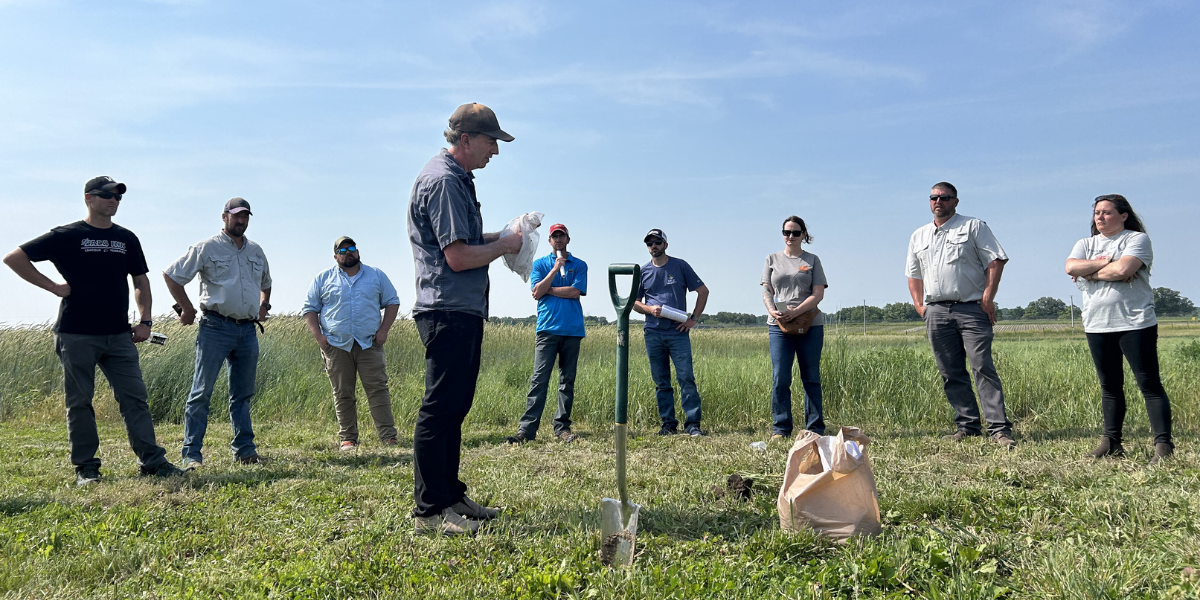
Discover how Illinois is developing a new crop of soil health leaders.
By IL Field & Bean Team