
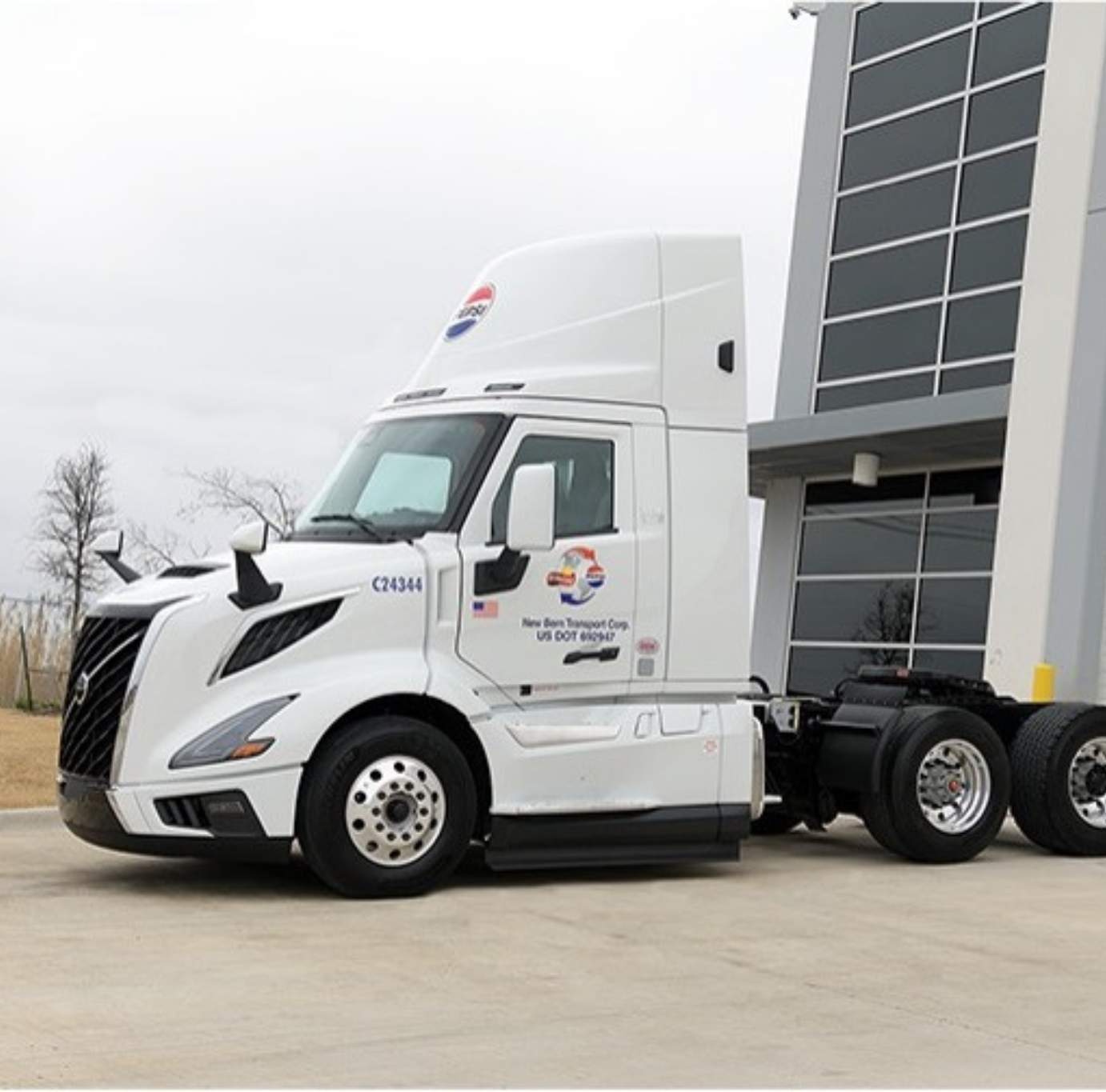
When consumers grab a bag of Doritos, a bottle of Mountain Dew or a bag of Ruffles, they likely don’t think about the fuel powering those products from manufacturing facilities to store shelves. But increasingly, Illinois soybean farmers are playing a direct role in that journey.
PepsiCo has adopted an innovative approach to reducing emissions across its transportation network by fueling more than 100 Class 8 semi-trucks in the Midwest with B100 biodiesel. The initiative demonstrates how renewable fuels are creating new opportunities for agriculture while helping major food companies meet sustainability goals.
For Illinois soybean growers, the program represents more than another biodiesel success story. It illustrates the growing connection between agriculture, transportation and consumer brands — and how soybeans are becoming an increasingly important part of the solution.
Building a Lower-Carbon Supply Chain
Like many companies, PepsiCo has established ambitious sustainability goals to reduce its greenhouse gas emissions footprint across its operations. Transportation is a critical piece of that effort.
“As part of these ambitions, we have explored ways within our fleet team to move our products with a lower carbon footprint,” Paula Hanebach, PepsiCo Supply Chain Fleet Program Manager said. “Biodiesel is one of the various technologies we have implemented as part of this strategy.”
Biodiesel offers a practical pathway toward lower emissions because it can be used in existing diesel engines while delivering a lower carbon intensity than conventional petroleum diesel. Unlike some emerging technologies that require entirely new vehicle platforms or infrastructure, biodiesel offers an immediately available solution.
For PepsiCo, biodiesel was a logical fit. The company selected B100 — a fuel comprised of 100% biodiesel — because it is a renewable, cleaner-burning diesel replacement that meets ASTM D6751 specifications and can be used in diesel-powered equipment with the appropriate technology and infrastructure. Beyond environmental benefits, biodiesel also delivers economic advantages by supporting domestic energy production and strengthening markets for U.S. agriculture.
Collaboration Drives Success
Implementing B100 across a large commercial fleet requires significant planning and partnership. PepsiCo credits much of the program’s success to collaboration among organizations throughout the biodiesel value chain.
Key partners included Clean Fuels Alliance America and the Illinois Soybean Association, both of which helped ensure fuel quality standards and navigate regulatory requirements. Technology provider Optimus Technologies supplied the systems that enable PepsiCo’s Class 8 trucks to operate on up to 100% biodiesel, while fuel supplier Bencor provided heated storage tanks necessary for maintaining fuel quality across varying climates.
According to PepsiCo, strong fuel quality standards have been instrumental in the program’s success.
“One of the key reasons B100 has become successful in the industry is that ASTM standards have helped ensure consistently high fuel quality,” Hanebach said. “The biggest lesson we’ve learned is to lean on our suppliers when we are faced with challenges; they are instrumental in helping us find effective solutions.”
Results Without Sacrificing Performance
One of the most common questions surrounding renewable fuels is whether they can meet the performance demands of commercial operations. For PepsiCo, the answer has been yes. Since launching the program in 2022, the company has used more than 3 million gallons of biodiesel in place of conventional diesel fuel. Throughout the transition, PepsiCo reports minimal operational disruption while maintaining high levels of driver satisfaction.
The experience demonstrates that lower-emission transportation solutions do not have to come at the expense of reliability.
“Our results demonstrate that it is possible to operate a lower-emissions fleet without compromising performance or reliability,”Hanebach said. “That finding is significant because transportation fleets operate under tight schedules and demanding conditions. Maintaining efficiency while reducing emissions is essential for the broad adoption of renewable fuels across the industry.”
Creating Value for Farmers
While emission reductions were a primary objective, PepsiCo identified another important benefit that stood out during the program’s growth: support for American agriculture. The biodiesel and renewable diesel industry supports more than 107,000 U.S. jobs, generates billions of dollars in annual wages and contributes more than $42 billion in economic activity nationwide.
For soybean farmers, biodiesel creates a valuable domestic market for soybean oil while helping diversify demand beyond traditional food and feed uses. PepsiCo recognizes the important role farmers play in making programs like this possible.
“Illinois soybean farmers play a critical role in helping companies like PepsiCo achieve sustainability goals,” Hanebach said. “The soybeans you produce are a key feedstock for biodiesel, which allows us to reduce emissions and operate a lower-emissions transportation fleet.”
That connection creates a unique partnership between producers and end users. Every gallon of biodiesel used in a truck helping deliver PepsiCo products begins with feedstocks grown by farmers. The relationship creates value throughout the supply chain, from rural communities and biodiesel plants to transportation companies and food manufacturers.
Strengthening Connections Across the Supply Chain
Programs like PepsiCo’s B100 initiative highlight the increasingly interconnected nature of modern agriculture. Farmers produce the soybeans that are used to make biodiesel. Biodiesel powers transportation fleets. Transportation fleets move food products to consumers. Each link in the chain depends on the others.
According to PepsiCo, these collaborations create shared value for everyone involved. Food companies benefit from lower-emission transportation options. Farmers gain additional demand for their crops. Transportation providers access cleaner fuel solutions that maintain operational performance.
At the same time, domestic renewable fuel production helps strengthen U.S. energy independence and build a more resilient supply chain. For Illinois soybean growers, the program serves as a tangible example of how investments in renewable fuels continue to create opportunities both on and off the farm.
Looking Ahead
Following the success of its Midwest B100 program, PepsiCo anticipates expanding the use of biodiesel and other renewable fuels into additional geographies across the United States. The company views renewable fuels as an important tool for reducing emissions while supporting American agriculture and rural economies.
As demand for lower-carbon solutions continues to grow, Illinois soybean farmers remain uniquely positioned to help meet that need.
“We see this as a true collaboration,” Hanebach said. “Your efforts not only support renewable fuel solutions but also help strengthen domestic supply chains and rural economies.”
For Illinois soybean producers, that’s a powerful reminder that the soybeans grown in their fields do more than fill grain bins. They’re helping fuel trucks, support rural communities and move some of America’s most recognizable food and beverage brands toward a more sustainable future.
Recent Articles
What makes Illinois soy stand out on the national and global stage? From our unmatched transportation network to innovative infrastructure projects, Illinois moves soy efficiently and effectively.
By

Where Illinois soy stands today - and where it's headed.
By IL Field & Bean Team