
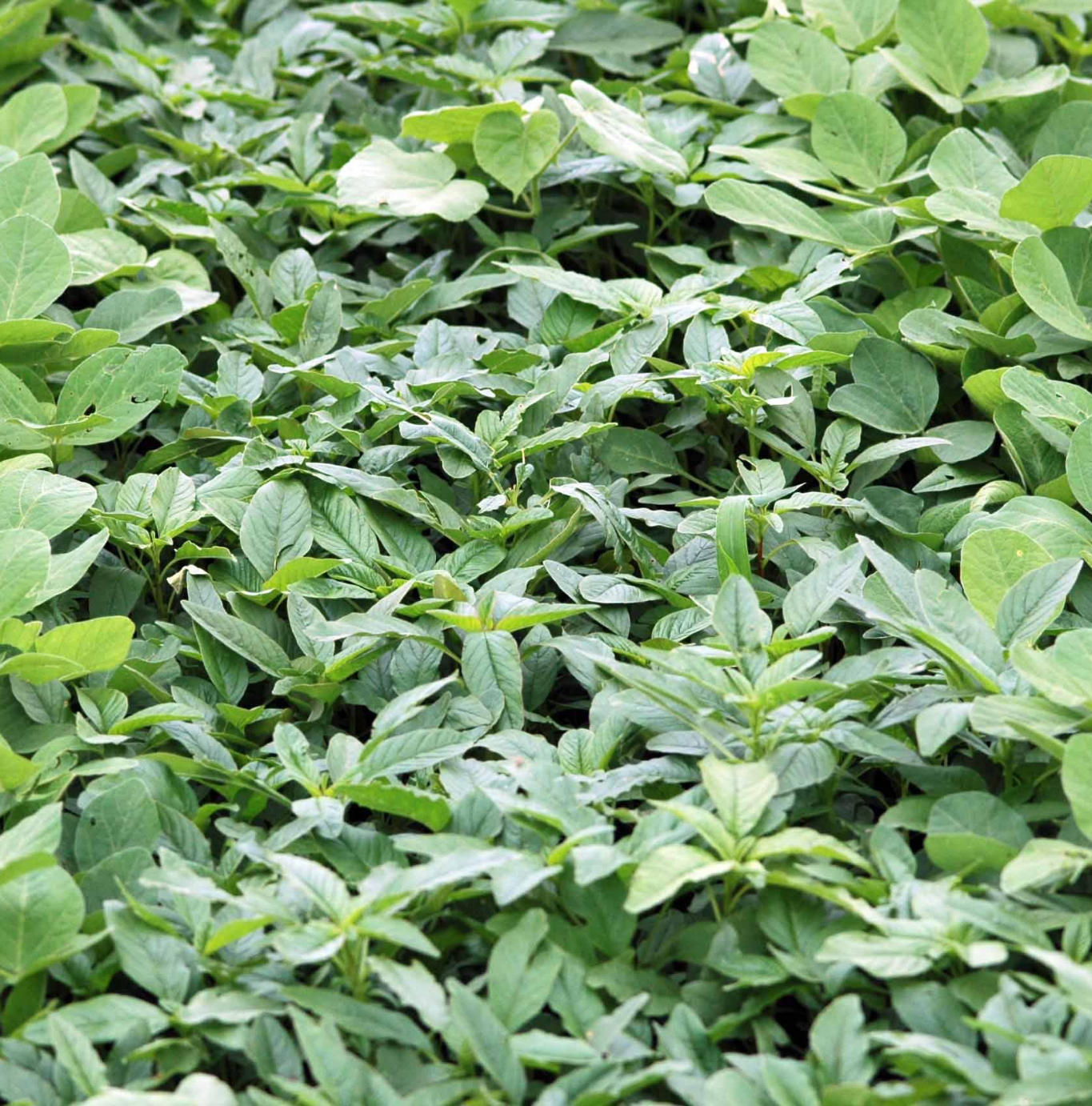
Herbicide resistance is not a future concern for Illinois farmers — it is a present reality. Over the past several months, the University of Illinois has confirmed two significant developments that underscore how rapidly the weed management landscape continues to change: the first confirmed case of glufosinate resistance in waterhemp and Group 15 herbicide resistance in giant foxtail. Although neither discovery came as a complete surprise, both serve as important reminders that our current approach to weed control must continue to evolve.
In both cases, collaboration drove the confirmations. Applicators and farmers first identified the glufosinate-resistant waterhemp population after noticing poor field control and requesting assistance. This type of exchange has played a critical role in documenting many resistance cases in Illinois over the years. In contrast, industry partners collaborated to identify the Group 15-resistant giant foxtail population after raising concerns about reduced herbicide performance. After researchers screened these populations in the greenhouse, they confirmed resistance.
THE HIDDEN COST OF WEEDS
Weeds that grow alongside crops never increase yield, they only reduce it. Herbicides and other weed management tools are investments made to preserve a row crop’s genetic yield potential. When a product that once worked no longer performs as expected, farmers face a double loss: the cost of the failed application and the yield loss associated with uncontrolled weeds. In many cases, that failure also requires an additional application or management pass, further increasing costs. It is important to note that herbicides themselves do not increase yield. Plant breeders are responsible for improving yield potential; weed management exists to protect that potential. Weeds compete with crops for the same essential resources including water, nutrients and sunlight. When they remain in the field, it causes a diversion of resources away from the crop.
RECENT RESISTANCE DISCOVERIES
The confirmation of glufosinate resistance in waterhemp is particularly significant because it means Illinois now has confirmed resistance to every postemergence herbicide that was once effective against this species in soybean systems. Over the past 30 years, waterhemp has gone from a relatively minor weed to one of the most challenging species in the state. That rise has been driven not only by resistance but also by waterhemp’s biology. Prolonged emergence throughout the growing season, high seed production and efficient seed movement make it exceptionally well-adapted to modern farming practices.
Today’s farming operations also contribute to the rapid spread of resistant weeds. Larger acreage, fields spread across broad geographic areas and greater equipment movement all increase the likelihood of transporting seed from field to field. Combines, in particular, are highly efficient at moving weed seed long distances. In addition to being aware of resistance issues, farmers in northern Illinois should also pay attention to Asian copperleaf, a nonnative species recently identified in the region. We know very little about this weed’s biology, including competitiveness or herbicide sensitivity. Because of those unknowns, early identification and prevention of spread are critical. Simple management steps — such as harvesting affected fields last or tilling them after all other fields — can help reduce the risk of moving seed to new locations.
It is important to note that herbicides themselves do not increase yield. Plant breeders are responsible for improving yield potential; weed management exists to protect that potential.

Waterhemp seedlings. Photo Credit: Dr. Aaron Hager
MANAGEMENT PRACTICES TO ENHANCE YOUR BOTTOM LINE
When farmers suspect herbicide resistance in their fields, confirming the issue can be challenging, particularly for soil-applied products where environmental conditions also influence performance. Although molecular tests exist for some resistance mechanisms, many cases — especially those involving metabolic resistance — still require greenhouse screening and careful field evaluation. This uncertainty underscores the importance of focusing on outcomes within our control.
We cannot solve a problem created by herbicide use simply by changing how we use herbicides. Nature will not allow it. For decades, the assumption was that a new product or technology would arrive to solve resistance issues. That approach has not found success. Even if a new, highly effective herbicide were to enter the market, intense selection pressure would quickly erode its usefulness if management practices remained unchanged.
One of the most essential principles in resistance management is limiting weed seed production. At present, the only outcome we can predict with certainty is that if no seed is produced at the end of the season, the frequency of resistance will not increase. Waterhemp’s greatest weakness is its seed. Seed does not remain viable forever, and consistent efforts to prevent seed return over several consecutive seasons can dramatically reduce populations.
APPLYING RESEARCH TO ON-FARM DECISIONS
Today, building a weed management program with resistance in mind requires a mindset shift. Residual herbicides must be applied at effective rates based on soil characteristics, and multiple effective modes of action should be used together, not rotated in isolation.
Postemergence applications should be made in combination systems where possible to preserve remaining tools. Most importantly, non-chemical tactics such as equipment sanitation, strategic tillage and even manual removal of survivors must be part of the conversation.
The uncomfortable reality is that doing less will eventually cost more. Reducing weed control expenses may seem appealing in the short term, but inadequate control ultimately reduces revenue through lost yield. The question is no longer whether resistance will continue to evolve, because it will. The real question is how willing we are to adapt our management strategies now to protect productivity for years to come.
Recent Articles
This issue of Illinois Field & Bean spotlights the On-Farm Trial Network, highlighting how on-farm research drives real-world results.
By
High oleic soybeans have opened new doors of opportunity with their beneficial profile for human-grade food products and animal feed.
By IL Field & Bean Team