

An abnormal March brought soil conditions that were just too good to pass up, and a few farmers were able to sneak in some field work and plant. The next window of opportunity came in mid-April. But this time, winds like we’d not experienced before hindered burndown applications, while other fieldwork continued. For the most part, many in northern, eastern, western and central Illinois were able to get planted in April and wrap up early to mid-May. Closer to Route 16 and further south into Illinois, extreme amounts of rain fell, and another window of planting opportunity near Route 16 did not come until mid-May. Those further south were just starting some fieldwork and did not get a good start at planting until the end of May. In some cases, planting was not completed until June, just in time for wheat harvest and planting of double-crop soybeans. Some southern Illinois counties had a significant number of prevent plant acres.
Cool conditions persisted early in the season with some heavy rains that caused drowned-out spots. There were some concerns about soybean stands because of poor seed germination. After a dry spell, crusting became a concern in some areas in Illinois as both corn and soybeans emerged. A few replants occurred and overall final soybean stands were on the lower end, and this provided opportunity for weeds to emerge and sometimes break through pre-emerge chemistry before canopy. More wind caused not just dust storms but also some windwhipped crops. A high number of cutworm moths were trapped across the state, which brought concerns of cutting in May and early June, but we managed to escape major injury. Cool and wet conditions caused crops to be yellow or stunted until temperatures began to warm in June.
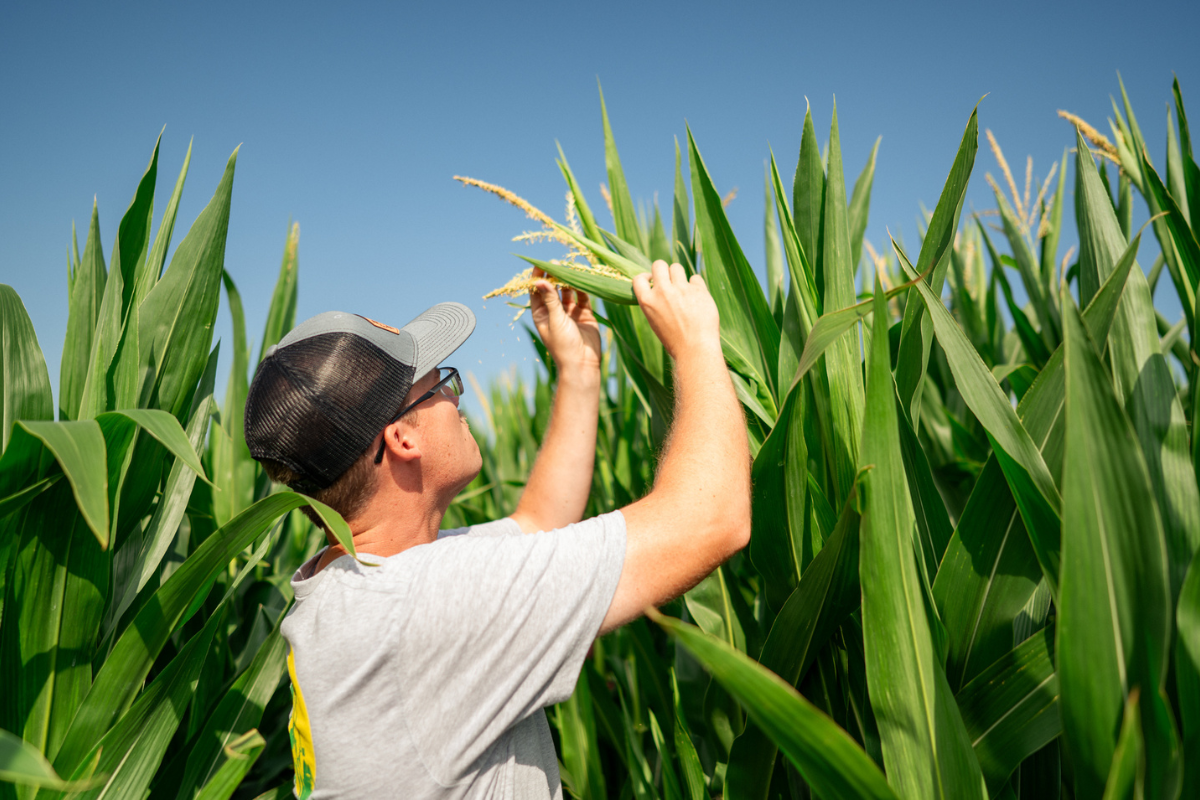
The June heat caused crop development to drastically speed up, but then rainfall stopped in many areas. Fields started to show signs of heat stress, and smoke filled the air due to Canadian wildfires. There were reports of grape colaspis feeding on roots in the central part of the state. Tornadoes touched down in parts of Illinois, and heavy winds damaged corn before pollination. Flattened, later-planted corn was able to recover but was elbowed. The earlier-planted corn might have experienced some greensnap. As always, Japanese beetles made their debut in soybeans and later at corn pollination. Extreme amounts of rain came in July to alleviate previous drought concerns but created ideal conditions for disease at corn pollination and for later-planted corn. No matter where you were in the state, depending upon the hybrid, many were finding Goss’s Wilt, Physoderma brown spot, gray leaf spot or southern corn rust when it was hot. They identified common rust, Northern corn leaf blight and tar spot when it was cool. Many have resoundingly said that fungicide was warranted this year, not only for disease control but also for stalk quality. Elevated nighttime temperatures and tassel wrap also caused alarm about possible pollination issues.
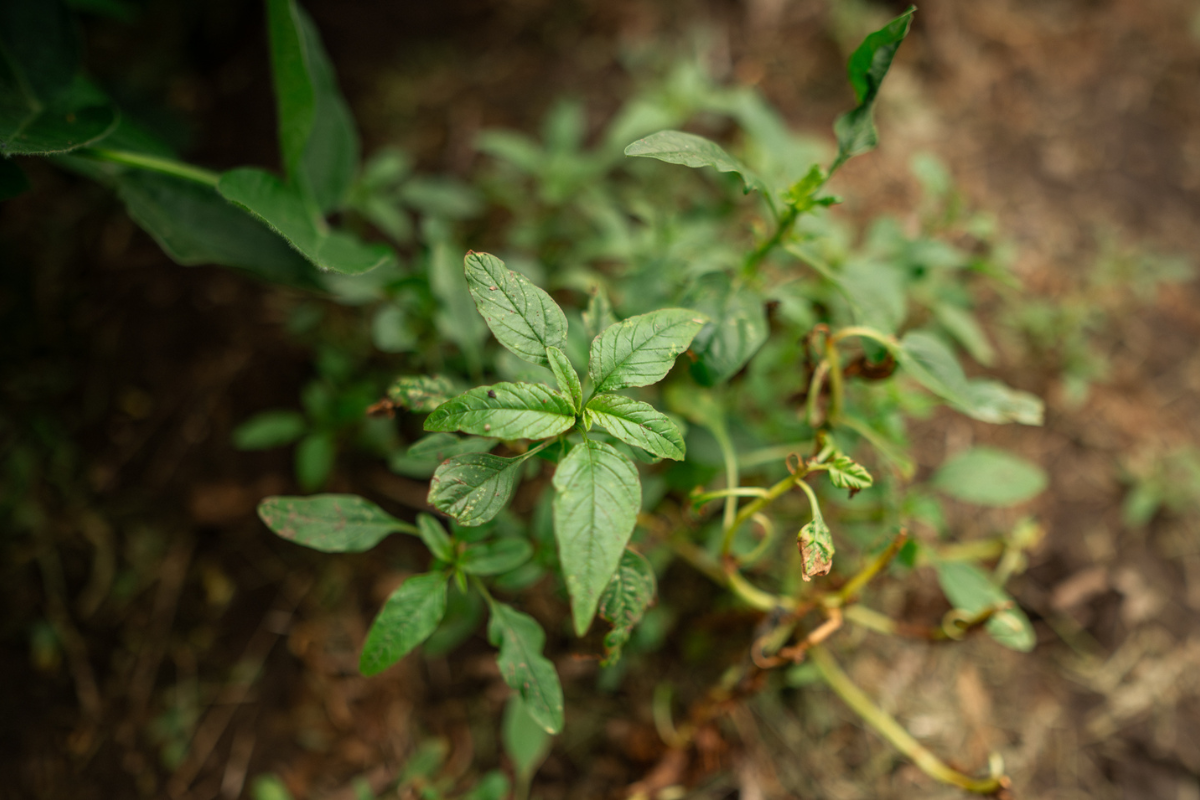
Rain stopped for many after mid-July, and crops experienced heat and drought stress, but the waterhemp continued to tower over soybean canopies. There were reports of corn leaf aphids, but not as bad as last year. There were isolated reports of red crown rot, Sudden Death Syndrome and white mold. Severe drought persisted in many parts of the state, but some–mostly in the north–were lucky to get some sporadic August rains needed for grain fill and to avoid corn tipback. A false fall and rain came by the end of August, which brought heat and drought relief but came too late to increase yield. The heat and drought not only increased the rate of crop senescence but also greatly decreased soybean moisture and brought dangerous fire risk at harvest. If you were to create a word cloud from all the crop reports submitted to Field Advisor during the growing season of 2025, the largest words would be rain, drought, hot, cool and disease. The weather changed drastically from one extreme to the next.
Recent Articles
Strategic partnerships are expanding opportunities for Illinois soy. From cutting-edge university research to global market development, these collaborators are boosting demand and driving value.
By
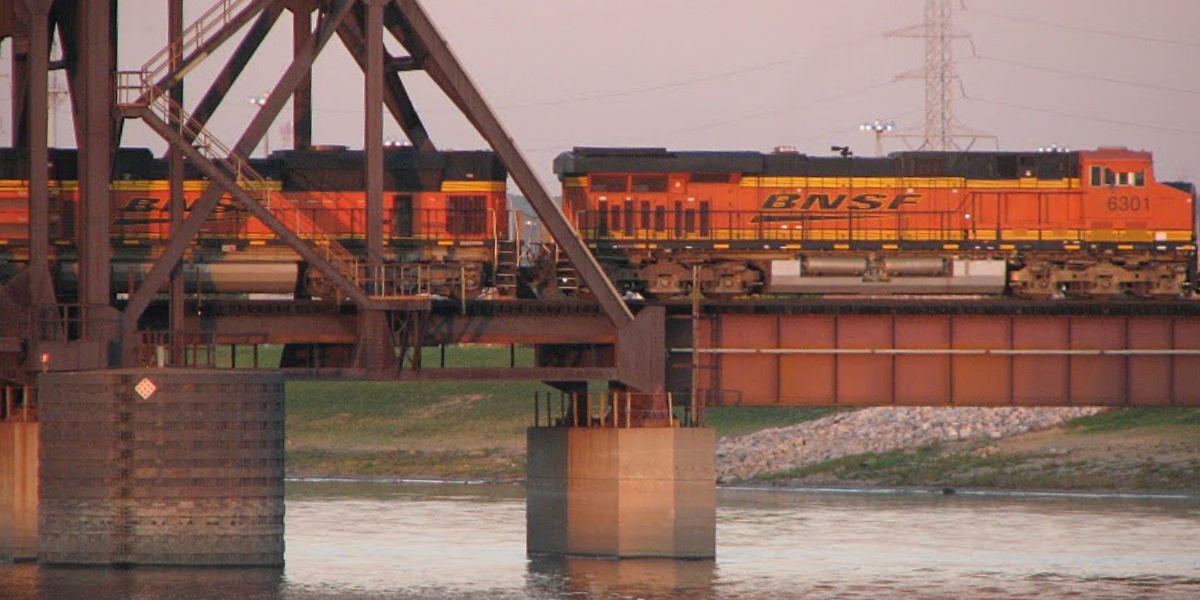
Learn how good transportation makes for good economics.
By Todd Main, Director of Market Development, Illinois Soybean Association